Put simply, the way Australian weather has on a sealant is down to a steady wearing down of every exterior joint by the elements; be it the wind, humidity, rain or the more intense ultraviolet and salt air. You might have a sealant doing its job in a Melbourne courtyard but put it on a wall in sunny Perth or out on a balcony in coastal Queensland and it will not fare as well.
Raymond Vale here. I can tell you from experience that when a sealant fails it is seldom dramatic in the beginning. There will be a line of chalky residue or a dusty edge, some small gap that seems of no consequence. Then comes a good soaking and the moisture works its way behind the joint and you are left with something as rough as guts. The product is important to get right, but so too is the optimal season for exterior caulking and how well one has prepared the surface for local conditions.
Weather Is The Real Test

There is a direct relationship between Australian weather and sealant durability since an exterior sealant has to stay bonded while it is put through its paces by moisture cycles, stretching and recovering. It is more than just plugging a hole, the sealant is there to deal with the movement of materials which expand and contract at their own pace.
Exposure is not uniform across Australia. In Sydney you have the coastal humidity with the sun and rain. Melbourne is all about the changeable weather and temperature. Perth will give you long dry spells and strong sun, Queensland throws in severe summer storms with the heat and humidity. You will find hot days and cold nights in Canberra, and in Tasmania cooler climes with plenty of moisture.
Location Makes A Difference
For official observations and forecasts the Bureau of Meteorology has its Australian climate data and information service. It is sensible to look at the local forecast prior to application if you think high humidity or unseasonal heat may put off the curing process.
Take for example a 100 mm joint where the materials on either side shift and create 5 mm of movement. That is 5 per cent of the width of the joint. Put in a rigid filler and it will be cracking before long, whereas a flexible sealant of the right type will see it out. This is for illustration rather than any kind of performance rating.
What Brings About Damage
It is when stresses of various kinds converge that a sealant gives way. Rain will make short work of a weak bond, heat will induce more movement and the sun hardens things over. Factor in a poor job of surface preparation and don’t expect much of a lifespan from the thing.
One is inclined to put the blame on the product. But a perfectly good sealant on an unstable or damp surface is going to fail early enough. The tube is only as reliable as what is under it.
Some Typical Stresses
You have ultraviolet radiation bringing on chalking and a loss of elasticity, or thermal changes putting repeated strain on the sealant. Wind and rain can get at the edges and humidity will keep the area around the joint damp and slow to cure.
Then there is the matter of the construction material itself. Glass, aluminium, timber, brick and concrete all have their own response to the heat and moisture. Where two materials with different movement patterns meet, the sealant must hold its adhesion and flexibility.
Sunlight Will Degrade A Sealant
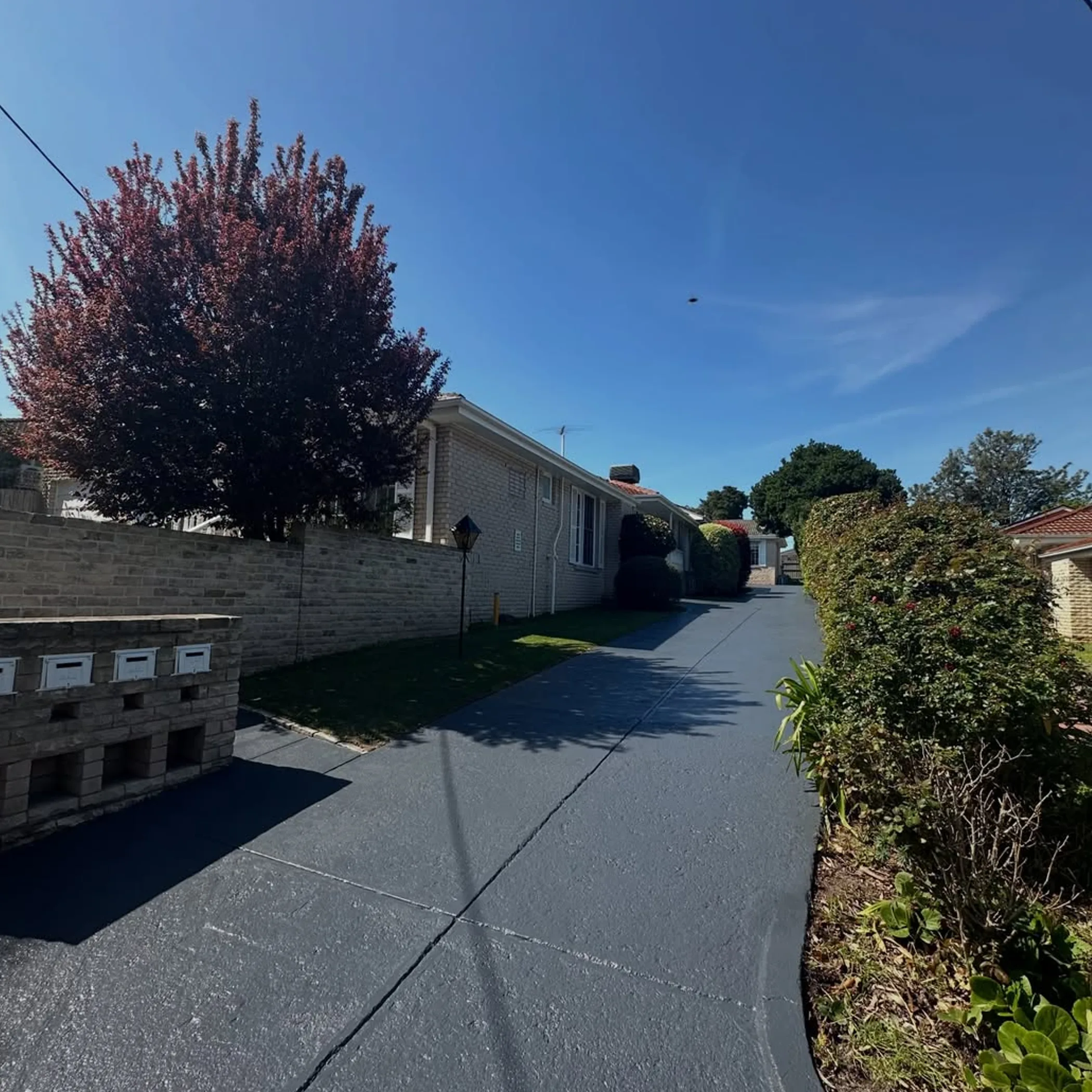
Any exposed joint in Australia has to contend with the sunlight. UV resistance on a label is not something to gloss over; on a roof flashing or window frame it makes a difference.
Damage from the sun is insidious. The surface turns dull and powdery, a sign of weathering in the outer layer. Before long the sealant will be less supple, show some fine cracks or start to pull from the substrate.
Be Selective With UV Resistance
Neutral-cure silicone is often the go to for glazing and other exterior joints provided it is compatible with the substrate, being able to stand up to the sun and stay flexible. But compatibility is key, particularly with natural stone and certain coatings.
A white bead is not necessarily well bonded for all its looks, and a clear one can pick up dirt from dust on a soft surface. Have a read of the technical data sheet to be sure of its suitability for porous or non-porous applications.
Heat Puts Joints Under Strain
The sealant and the materials about it are both affected by the heat. Concrete slabs, metal trims and dark cladding on a roof can run far hotter than the ambient air, only to cool off again in the evening. Day in day out the joint is made to repeat this.
One does not always see the result in the form of an outright crack. The sealant can be more insidious, gradually deforming to put a split in an edge or parting company in short stretches. From some distance the joint will appear in order, yet water has already made its way behind it.
The 100-Degree Question
Assuming 100°F (some 37.8°C), putting down sealant is a risk in such heat, on a surface warmed by the sun for instance. One may find the product is hard to tool as it skins over in a hurry and cures with little uniformity. But if 100°C is what you are talking about, leave the sealant off; it is not a normal condition for installation and could do harm to both substrate and product.
In all cases the manufacturer’s stated temperature range for application should be heeded. And air temperature is only one consideration. Wind, direct sun, relative humidity and the like can alter working conditions on a surface in a matter of minutes.
Rain, Humidity And Curing
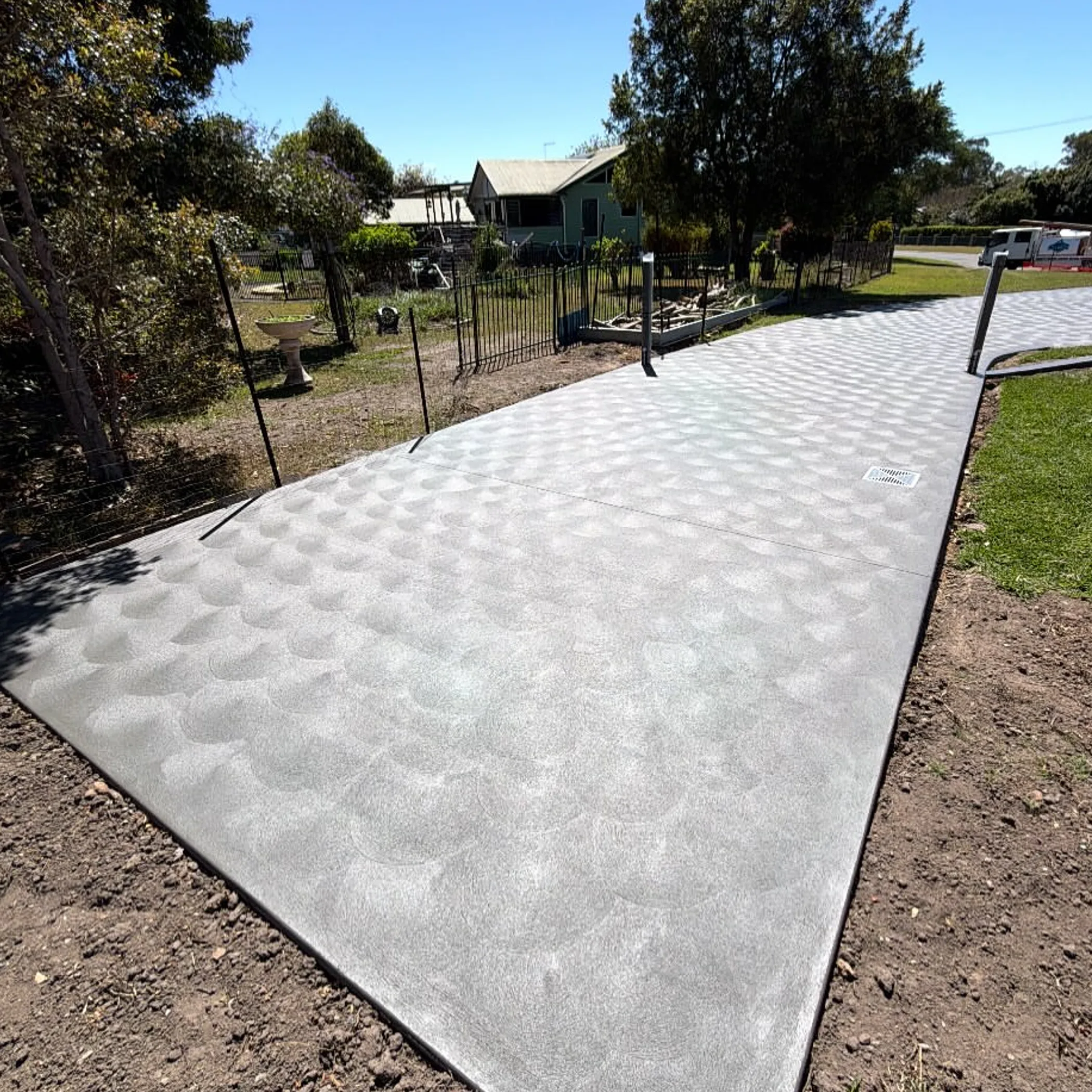
Both have their effect on sealants and can make adhesion and curing a problem. A surface might seem dry but still have moisture in the pores or under a film of dust and old sealant.
Water-based products are open to re-emulsification from water before they are properly cured. Others are more forgiving of moisture but that is no reason to apply to a joint that is plainly wet. Any water left behind the bead will undermine the bond and be an invitation to mould and staining down the line.
Let It Cure
How long a cure takes is a function of the product, how well ventilated the area is, the size of the bead and so forth. Put in a thick bead and it will be slower to cure than a thin one done right. In Melbourne coolness will put the brakes on the process, whereas hot and dry weather will skin the top without the interior following suit.
It is better to plan with the weather than to try and beat it. Do not put it on just ahead of a rain and let the instructions dictate when the joint is to be left to the elements. Even a wall that is well sheltered can be reached by wind-driven rain despite a dry forecast.
Service Life And Salt Air
For exposed waterfront structures, estuaries and anything near the beach, damage from coastal salt is something to contend with. The spray will deposit itself at the sealant edge, drawing in moisture and leading to loss of adhesion as well as corrosion of metal and staining. You will find these sorts of challenges in parts of Queensland, the Sydney coast, Adelaide and Tasmania. How far one is from the beach is not the only factor; the height of the building and which way the wind blows are equally telling.
Inspection Of Coastal Joints
When the substrate and materials allow, give the surfaces a rinse with fresh water but nothing too forceful that would push water into the joint. Check for any lifting, pinholes or brittle spots and staining at the fixings. An inland joint does not require the same scrutiny. Salt is not going to put in a call to let you know it is coming in on the breeze.
Choosing Your Sealant
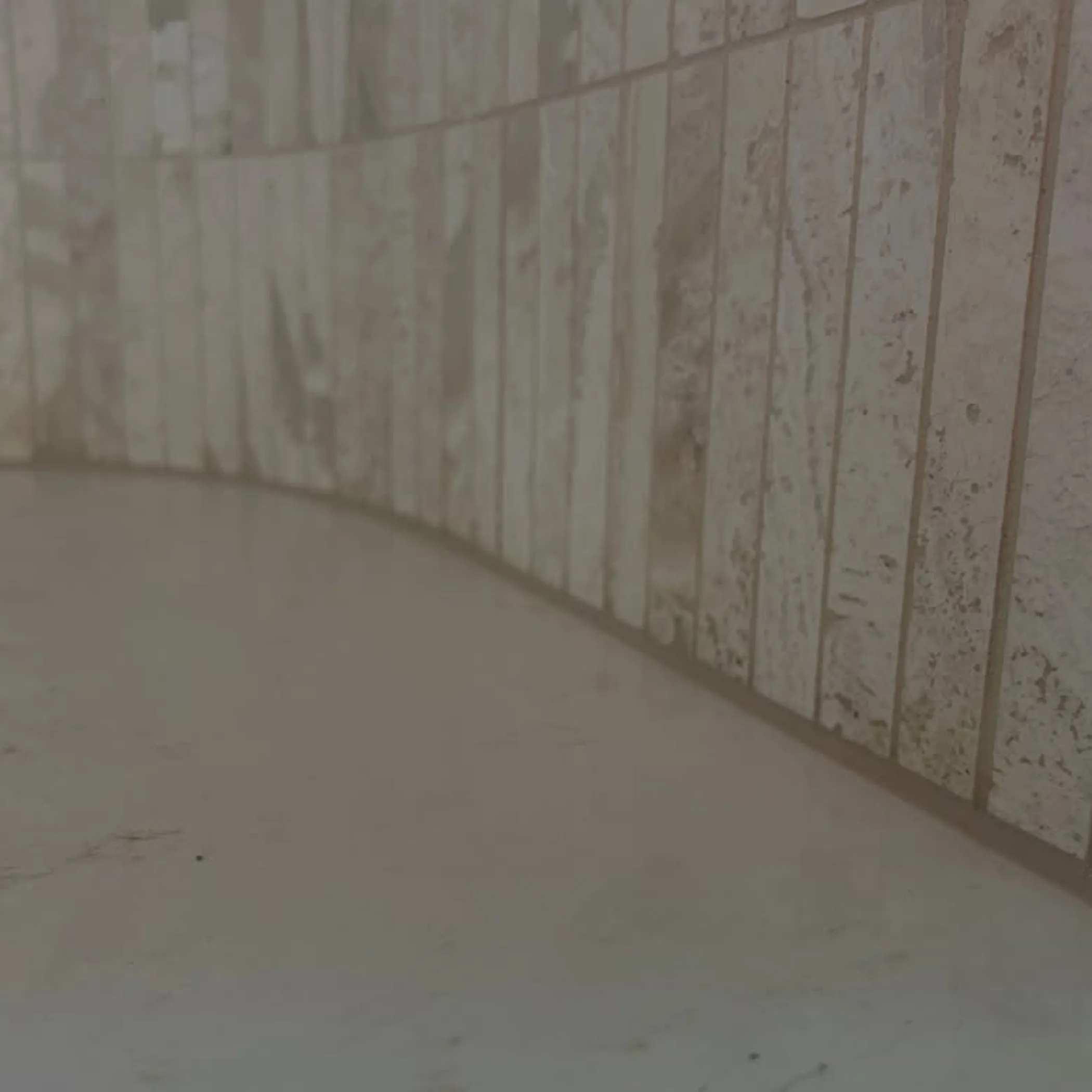
You will not find one weather-resistant sealant to rule them all on an Australian building. What is called for will hinge on the type of surface, the movement, paint compatibility and maintenance to be expected.
Polyurethane has its place in construction joints where you need to tolerate movement and have good adhesion. For glazing and façades a neutral-cure silicone is often the answer. Then there is the penetrating sealer for certain concrete or masonry and acrylic for a lower-movement, paintable job.
Product Type
| Application | Common consideration | What To Check |
|---|---|---|
| Window and glazing | Flexible exterior | UV resistance, rating for movement and glass |
| Concrete and masonry | Penetrating sealer or flexible joint sealant | Joint movement, porosity, dampness, paint |
| Metal cladding/flashings | Flexible sealant with UV resistance | Temperature exposure, adhesion and metal coating |
| Painted trim | Paintable, as the case may be | Surface movement and time to cure |
| Coastal work | Maintenance system with salt tolerance | Wash-down access, frequency of inspection, salt spray |
With a concrete sealer it matters whether it is a surface or penetrating product. The latter is not going to fix a moving crack, nor can an acrylic make up for inadequate drainage. They are different solutions to different problems and labelling them all caulk is confusing.
Exterior Caulking
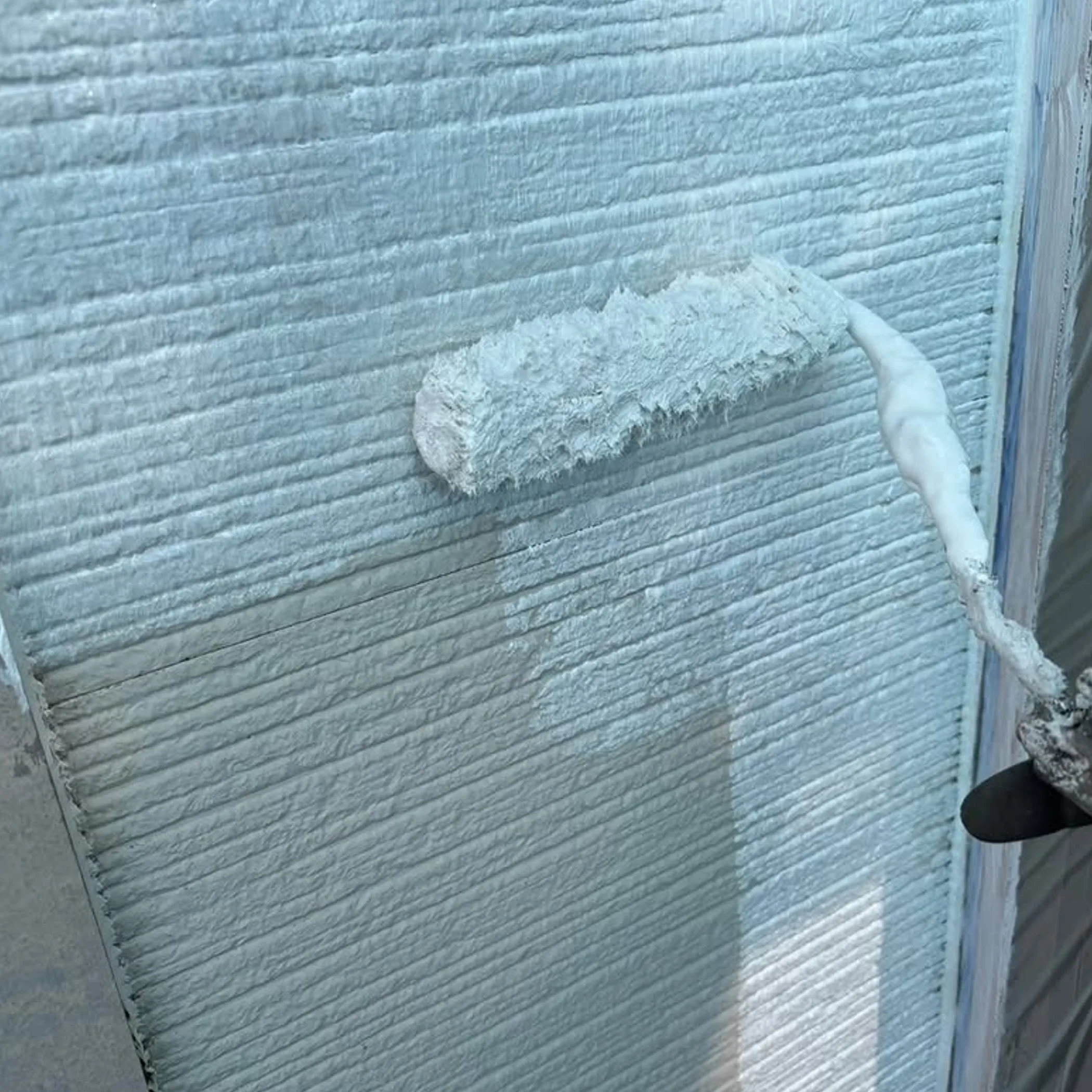
There is no set date on the calendar for this, it is a matter of the local weather window. Down south in Australia the mild and dry of an autumn or spring is conducive to the work. Up in the northern tropics and Queensland one is better off in the dry season than the wet.
One should not assume summer is ideal for this kind of work. The surface can be made to overheat by the direct sun and an afternoon storm will put a stop to curing. In northern Queensland or the Top End, what with cyclone warnings and the wet season running from November through April, exposed work is out of the question. Out in the interior you have your own troubles to contend with: strong heat in the afternoon after a cool morning.
Plan Around The Forecast
When you check the forecast, do it for the entire curing period and not just the time of application. You want dryness, wind that is manageable, moderate temperatures on the surface and sufficient time for the sealant to put down a stable skin. Make use of shade if you can but a comfortable air temperature is no reason to put sealant on a damp surface.
A day’s work is best spent on small joints you can get at and see to properly; they are easy to clean and dry and protect. Put off any large façade project until the morning, there is no sense in starting one late in the afternoon. A bead put in a hurry on a ladder as the rain comes in and the mozzies hold their committee meeting is poor maintenance.
Prepare Surfaces For Longer Life
The label on the sealant is less important than how well the surface has been prepared for adhesion. See to it that any loose material, dust, grease, biological growth and old sealant that is on its way out are gone. Let the surface dry and put on a primer if the product calls for it.
Resist the temptation to put new sealant on top of the old just because the old bead is a nuisance to take off. It will bond to the weak layer instead of the building and you will have a repair that looks tidy but has little foundation.
Practical Inspection Checklist
- Before putting in a product, look for any cracks, gaps, failed edges or movement.
- Clean the joint and take out any sealant that is loose, do not force water behind it.
- See that the surface is dry and will take the sealant you have chosen.
- Make sure the forecast is clear of wind, heat and rain for the full cure.
- Once done, examine the bead for pinholes, smooth tooling and unbroken contact.
Maintain Joints Before Failure
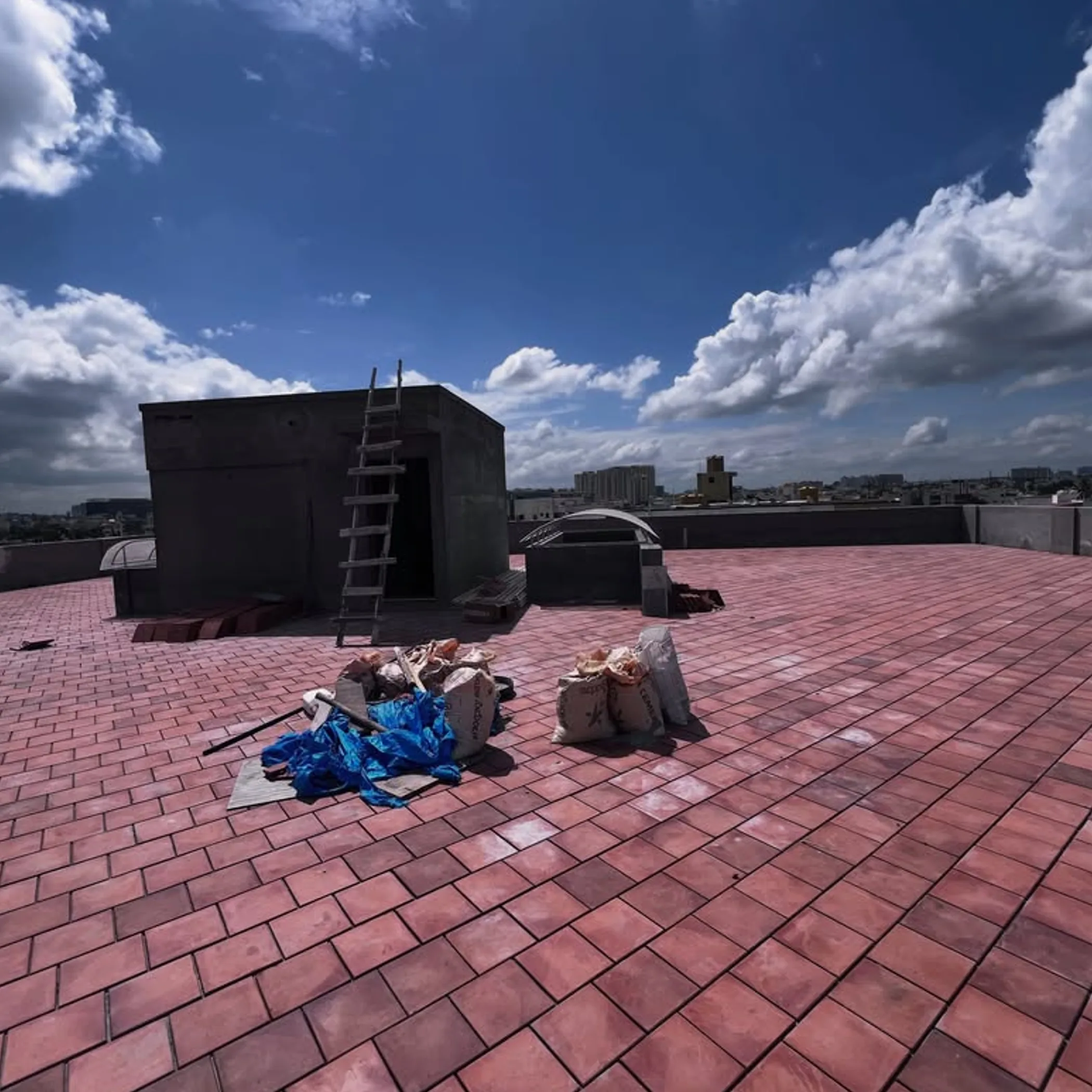
It is easier to put right a small defect than the water damage you will find behind a roof edge or window, so make regular inspections to add years to exterior sealant. Do so in the wake of a bad storm or when the weather has been wet or hot for some time.
You will want to spot any chalking, discolouration, peeling, separation at the edges or shrinking. Window corners, balcony junctions, where materials of a different sort come together, movement joints and roof penetrations warrant a closer eye.
On multi-storey or commercial jobs engage a contractor who has the equipment for safe access. Ladders and a wet roof are risks in plain view. There is no point in a perfect bead if the one applying it is in hospital.
Frequently Asked Sealant Questions
Can You Caulk In 100 Degree Weather?
Assuming 100 degrees is Fahrenheit (37.8°C), you may apply it provided the product and surface are within the manufacturer’s parameters. Bear in mind the substrate in the sun will be far hotter than the air. If you mean 100°C, leave the sealant.
Does Rain Ruin Fresh Sealant?
It can, before the sealant has had a chance to skin and cure. With some water-based products you could get re-emulsification, wash-out or marks on the surface and the adhesion will suffer. Follow the curing requirements and shield the joint.
Is Silicone Always Best Outdoors?
Not necessarily. While silicone does well in many exposed situations, for certain substrates and movement you would be better served by polyurethane or an acrylic sealer. Compatibility is more of a consideration than a “best” designation.
How Long Should Exterior Sealant Last?
Performance is dictated by the type of product, how well it was installed, the state of the substrate, maintenance and exposure, so there is no guarantee. An exposed coastal or north-facing joint will not last as long as one in shelter.
Can New Sealant Go Over Old Sealant?
As a rule you should remove a failing old bead. The new material requires a clean, sound surface to adhere to. A fresh coat over something contaminated or loose is not going to fix the problem, only cover it up.
Make The Joint Earn Its Keep
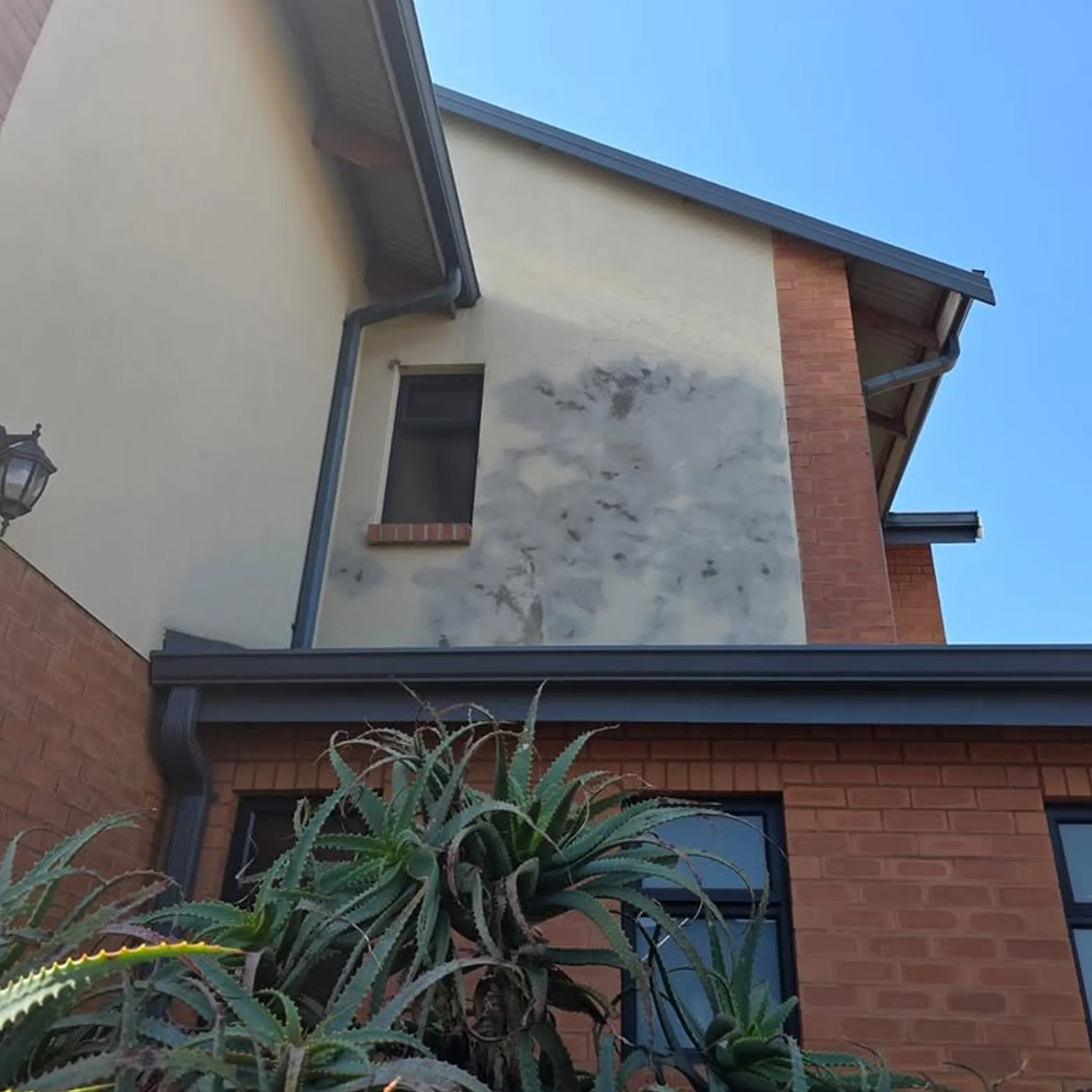
In Australia it is a matter of workmanship, the product and exposure all coming together for sealant to be durable. Flexible products for the joint, UV-resistant for the harsh sun, and a good preparation of the surface.
Raymond Vale puts it this way: inspect before a gap becomes an expensive way to let in water, allow for proper curing and pick the right thing for the substrate. The weather will have the last word but it need not win every time.