There is an unvarnished fact to come to terms with when you are making plans for Kakadu: it is a fine place in any season but never mild, and the heat has a way of taking people by surprise. For a quick answer on the most straightforward time to visit, put in your appearance during the dry season, say from May through September. You will find the roads more open, the humidity not so much as in the build-up or monsoon, and your sightseeing of the day far less of an ordeal.
But then again, what is “best” is a matter of your own tolerance and where you want to be. As Raymond Vale will have it, the colour of your suitcase or a room with a decent deck is of no consequence compared to the Kakadu heat and humidity. Misjudge the weather and a perfectly good itinerary can be as rough as guts before 11.00 am.
Getting The Timing Right
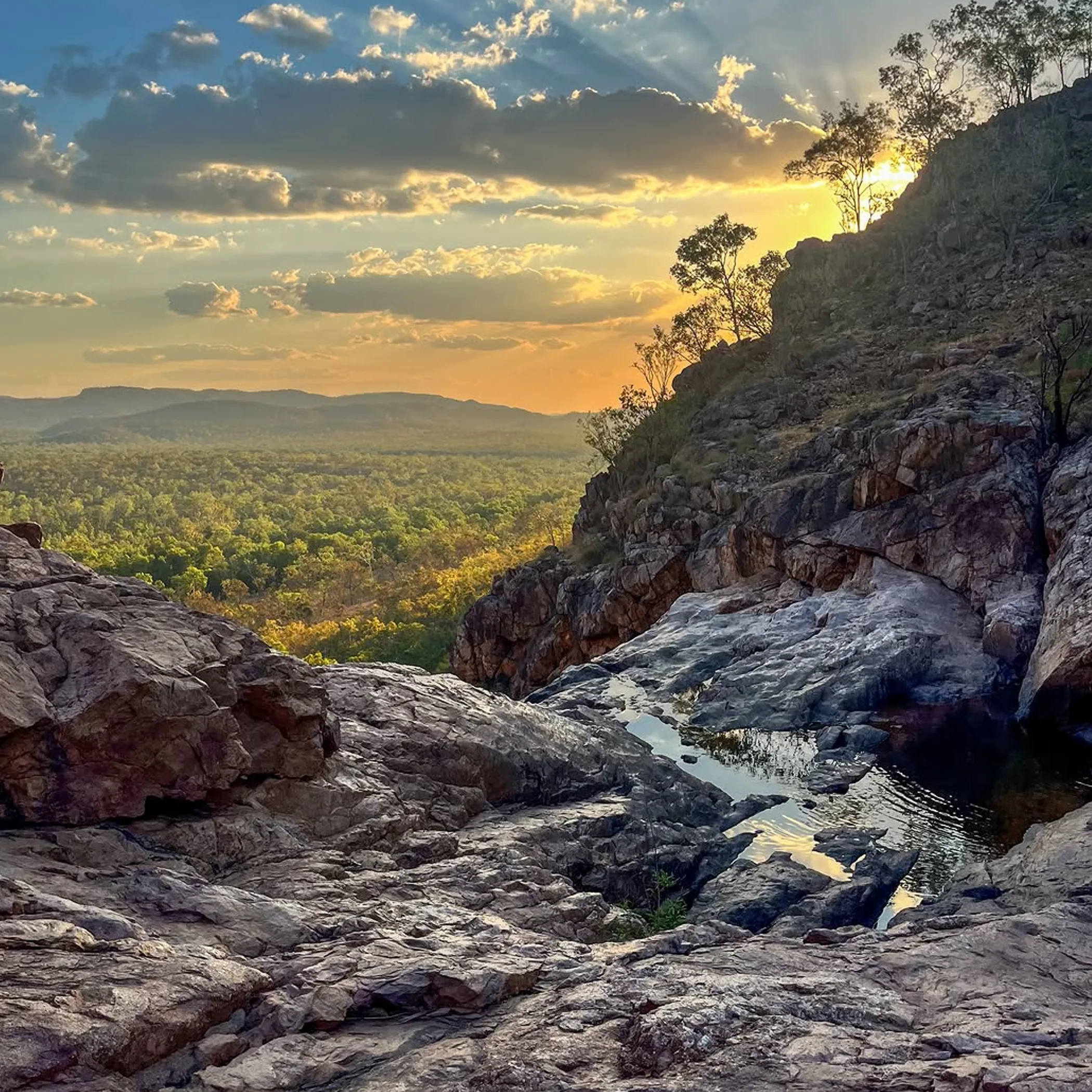
Do not think in postcard fashion about when to go to Kakadu, consider your body temperature instead. It’s important to know when to plan Kakadu trip. Many a traveller is preoccupied with the waterfalls and overlooks how the season and shade will affect everything from a drive to an outdoor lunch.
The middle of the dry is the sweet spot for the majority. When you are looking into dates, factor in your heat tolerance and if you are prepared to forgo some of the lushness for conditions that are easier on the roads.
When Most Travellers Go
You will be hard pressed to find a more comfortable all-round option than June, July and August. It is warm enough but nothing like as oppressive as the build-up months; there is little prospect of a monsoon to put a damper on things and you can get on with it without your shirt sticking to your back.
May and September are also good months to make of. In May you might encounter the odd remnant of the wet season and some restrictions on access, and by September it is tending to be hotter. A sensible compromise if you do not mind the warmth and would rather not be out in force with the rest of the dry-season crowds.
A Day From Darwin
For one long day in from Darwin, pick a core area and stick to it, do not try and make a game show challenge of the park. Be practical: put in a major art and lookout circuit with some short walks and call it a day before the afternoon gets to its peak.
On paper the National Park seems within reach, but in truth the distances are considerable, you will spend longer at a stop than you thought and the heat puts a drag on everything.
An App Is Not Enough
Most folk know the two seasons as wet and dry and leave it at that. But the Top End has a traditional way of seeing things, the ebb and flow of the water, the storms, the winds and the animals. Raymond Vale would prefer you had some idea of what the air is up to rather than rely on a forecast screenshot to give you the whole story.
Six Seasons
Kakadu has six of them: Kudjewk, Bangkerreng, Yegge, Wurrkeng, Gurrung and Gunumeleng. You may see Wurrkeng, Kunumeleng, Kurrung and Kudjewk put forward in other quarters; the public references and language groups are not always consistent with their spellings. The point is these are not neat calendar divisions but local and gradual shifts of the country.
Take Kudjewk, the monsoon, and you can expect flooding and some heavy rain to put a new face on the landscape. Wurrkeng is cooler and early-dry. Then there is Kunumeleng (or Gunumeleng) which is the build-up and a test of patience as the humidity and storm threats mount. Some will put Kurrung down as cooler-dry. Such local nomenclature goes some way to explaining the difference between one month and another.
Wet Versus Dry
In practice the wet is November to April. Monsoon conditions and intense rain can mean high humidity, storm activity and alerts for park road closures in Kakadu that will have you changing your plans in a hurry.
From around May to October the dry season is in effect. The logistics of a tour are simpler and the roads tend to be open for walking. But do not let the term lull you into thinking it is cool all day or that you can be casual about Kakadu heat safety. An Understanding of the Monthly Pattern
An Understanding of the Monthly Pattern
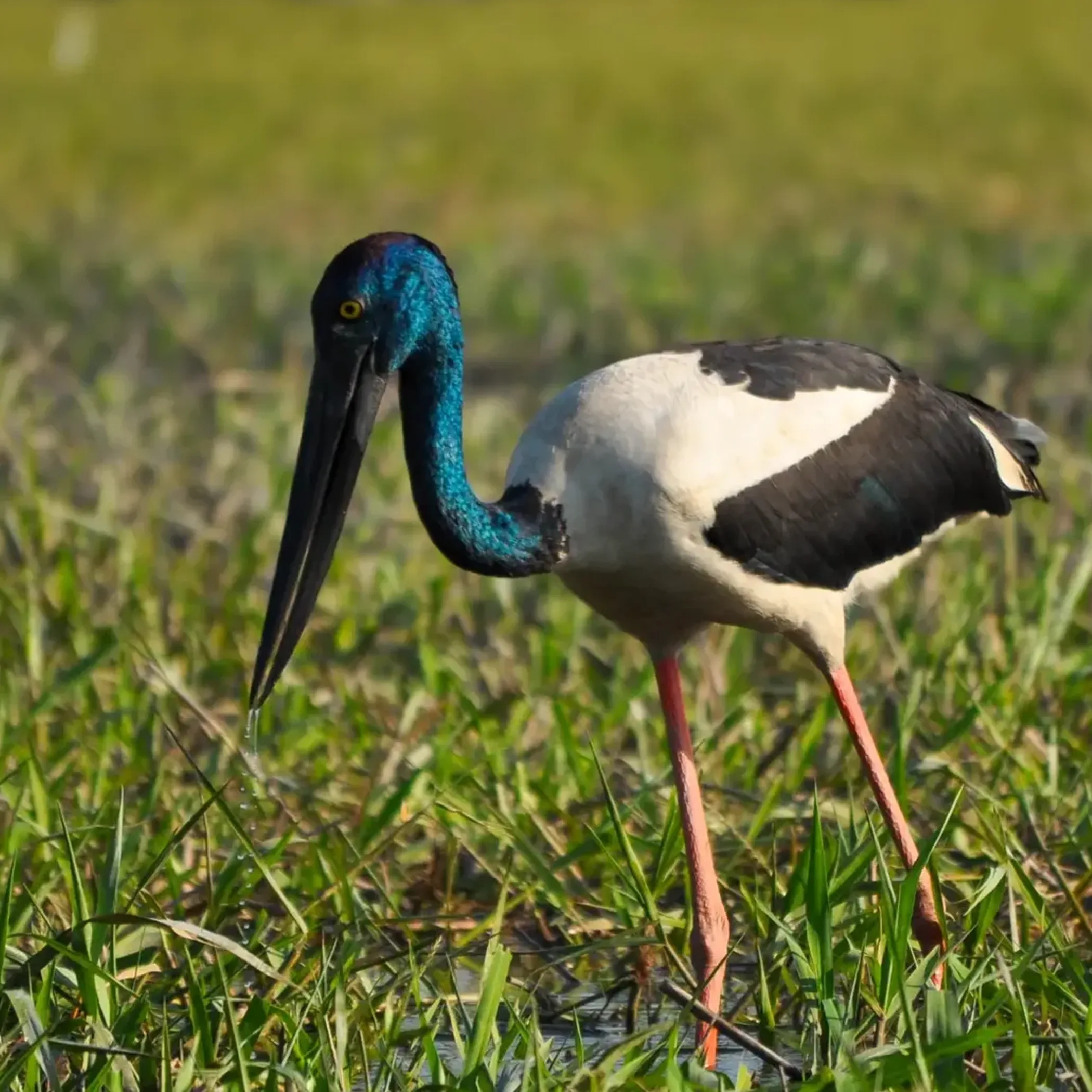
A degree in meteorology is not called for to put together a good plan, yet some realism is. Too often a traveller will look at the maximums and put no stock in the overnight heat or the dew point, not to mention the toll of long drives punctuated by short walks and the sun.
The table that follows is your guide to what Kakadu temperatures are like month on month, based on the general Top End conditions you will find in and around Darwin and the park itself. Do not be under any illusion that these are exact; they can differ from place to place in the park. For up to date forecasts and any warnings, consult the Bureau of Meteorology prior to departure.
| Period | Typical Max °C | Humidity | What it is like | For whom |
| January–March | 31–34 °C | Very high, 70% plus in a Darwin morning is common | Lush, sticky, stormy, prone to flooding | Those with the flexibility of an experienced traveller; for wet-season scenery and scenic flights |
| April | 33–34 °C | High, though easing | Green and hot with access that is mixed | Shoulder-season visitors who have a back-up |
| May | 32–33 °C | On the moderate to high side and improving | More manageable but warmer than one might think | An early dry-season outing |
| June–August | 30–32 °C | A comfort you do not get in the wet season | Warm in the day, cool mornings, the easiest time to tour | The first-timer |
| September | 33–36 °C | Humidity on the rise | Mostly accessible if you are up for hotter afternoons | Early starters |
| October–December | 34–37 °C | Build-up; very high | Sweaty, oppressive and sapping of energy | Heat-tolerant types only |
Take Darwin as an indication of humidity: the averages are highest in the build-up and wet months and lower in the middle of the dry season. Morning relative humidity in Darwin is high all year, but the contrast between a build-up and a dry-season morning is something you will feel in your sleep and how quickly you are worn out. Use it for planning purposes but keep in mind that out on the roads and tracks of Kakadu things can be less forgiving and more exposed.
Activities and Conditions
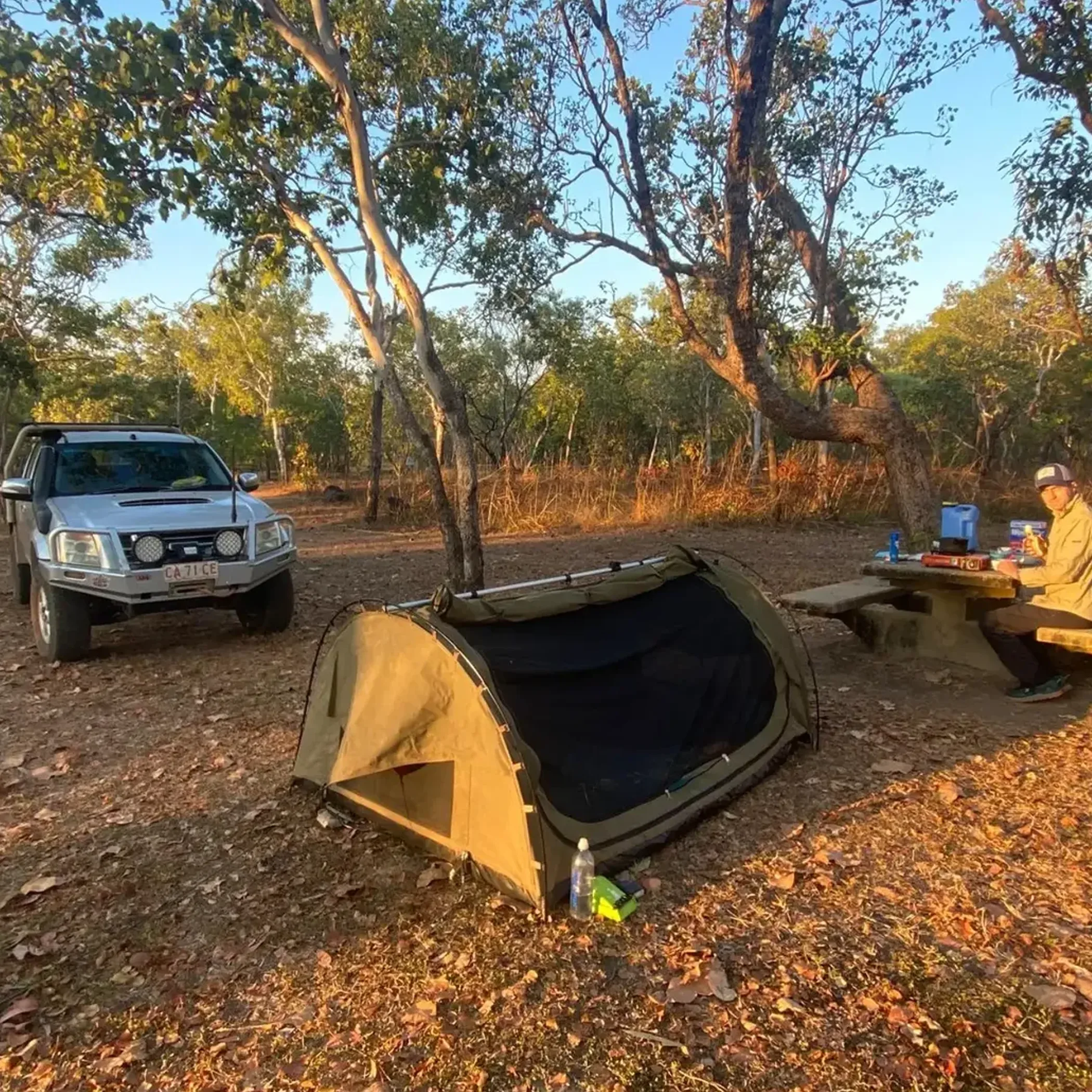
Good planning is what makes the holiday. The heat and humidity in Kakadu are more than a nuisance, they alter your pace, your water consumption and the decisions you make about which track to take and when.
Most people would be wrong to think a short walk is an easy one. There is a world of difference between a 2 km return in the shade at 8 am and covering the same ground on rock in the open after a long drive and not a great night’s rest.
Where People Are Caught Out
Before lunch the build-up months have a way of running you down. You are sweating but the humidity will not let it evaporate so you end up feeling clammy and hot for no reason. Then there is the matter of water in the car between stops, which is not given the attention it deserves.
Do not be taken in by “swimming spot” implying it is safe or available at any time of year. Water quality and crocodile risk aside, access is seasonal. Heed the Parks Australia advice and what is posted on site, not some blog from another’s fortuitous week.
The Right Kind of Traveller
Kakadu is well suited to the photographer, the birdwatcher, the road-tripper or anyone with an interest in the Top End that goes deeper than the brochure, provided they can cope with long days behind the wheel and leave some of the decision making to the weather.
Not so much for those who have trouble in the heat or require a tightly run itinerary and expect sites to be open come what may. If older relatives or young children are in tow, or anyone with a medical condition that the heat could aggravate, a more stringent plan and downtime is in order.
Pack Accordingly
There is no room for the aspirational in a Kakadu packing list. Put away the fantasy pieces. A light shirt of breathable material that offers some cover will be far more comfortable by morning tea than something cute that has turned to a damp rag. As Raymond Vale would tell you with some affection, the bush has a way of putting you right if you have packed “resort wear” for tropical Australia.
- Think long-sleeve, loose shorts or trousers, a wide-brim hat, socks (damp feet are no fun) and walking shoes or sandals with a good grip.
- For a long day out allow 3 litres of drinking water per adult, with some in reserve in the vehicle and electrolytes for the heavy-sweat days.
- And the essentials: repellent for the mozzies, sunscreen, sunglasses, a small first-aid kit, a cooling towel, dry bags, a power bank and swim gear as the case may be.
- Put together a simple larder of fruit, sandwiches and the odd salty snack, and water in excess of what is socially acceptable.
- Have your booking details and park info to hand in print or on the device, along with some offline maps; reception is not to be relied on.
Expectation Vs Reality
You may think a shirt a day will do, but in the build-up or wet season in Kakadu you will want two or three for the sake of civility. Insect repellent is hardly optional either: mozzies that are partial to you will consider it an invitation if you leave it at that.
Then there is the hire car boot. You might view it as storage, in reality it is where you keep your shade kit, emergency water, heat back-up and snacks. Make room for it.
Heat Illness
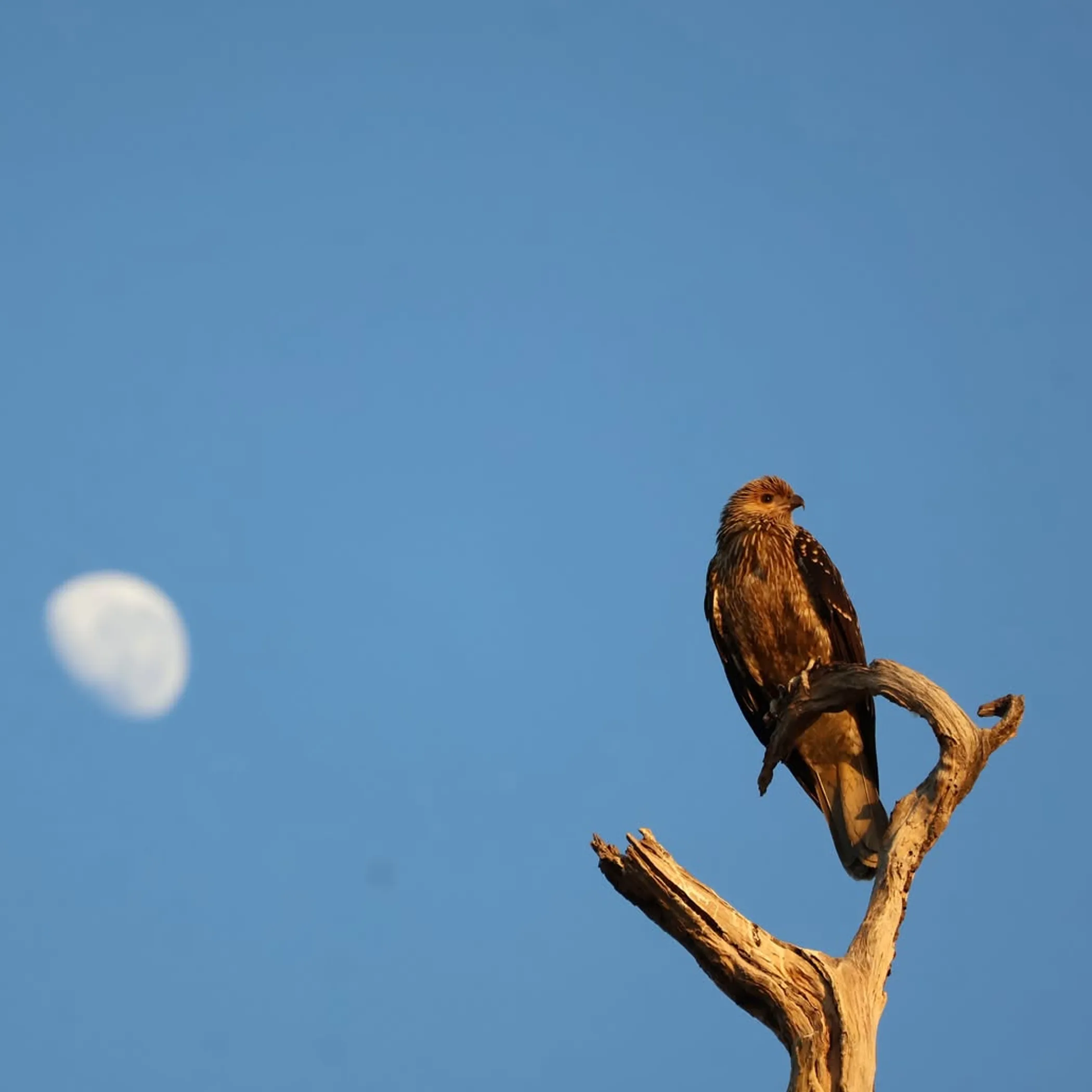
There is nothing dramatic about Kakadu heat safety until there is. A headache, some nausea, dizziness, heavy perspiration and a general sense of being wrung out so much your thoughts wilt are how heat exhaustion will make itself known. The way to stave off heat illness is to put in the work early on and eat well, not wait till you feel crook. Thirst means you have already let yourself go.
Hydration
Do not just put one over at the car park and hope it holds. Drink with some consistency. Electrolytes have their place in replenishing salts after a few walks in the heat but they are no substitute for sensible pacing and plain water.
Should a person start to vomit, faint, become confused or unable to cool down even when the sweating has stopped, urgency is called for. Get them into the shade or air conditioning, apply a wet cloth and only offer water if they are in a state to take it. And get medical attention.
Making Use Of The Cooler Times
One of the things locals and those who come here often will tell you is to plan for the morning. If the walk is any good, it is better done then. Leave midday to the air con, a decent rest or a cultural centre. Strategy, not idleness.
Daily Timing
On a warmer month’s walk, be there at sunrise or soon after. An 8.30 am start has its merits over 10.30 am even in the dry. When it is hot, be done with any exposed walking by 10.00 am.
A drive from Darwin is a long affair. To the main access points of Kakadu is hours each way and you must factor in road conditions, fuel, the need to see wildlife with caution and whatever else comes with a Northern Territory road trip; it is not a metro commute with nicer trees.
Getting There
The Stuart and Arnhem Highways from Darwin will bring most self-drivers into the park and you will retrace your steps unless heading east or south in the Top End. There is parking at the big visitor sites but do not count on shade, so keep anything that does not like the heat out of the car.
As for costs, fuel, entry fees and the like will mount up. You can do Kakadu on a budget but it is not a case of winging it to save a few dollars; a last minute alteration due to the weather can be more expensive than a careful booking.
Before You Head Out
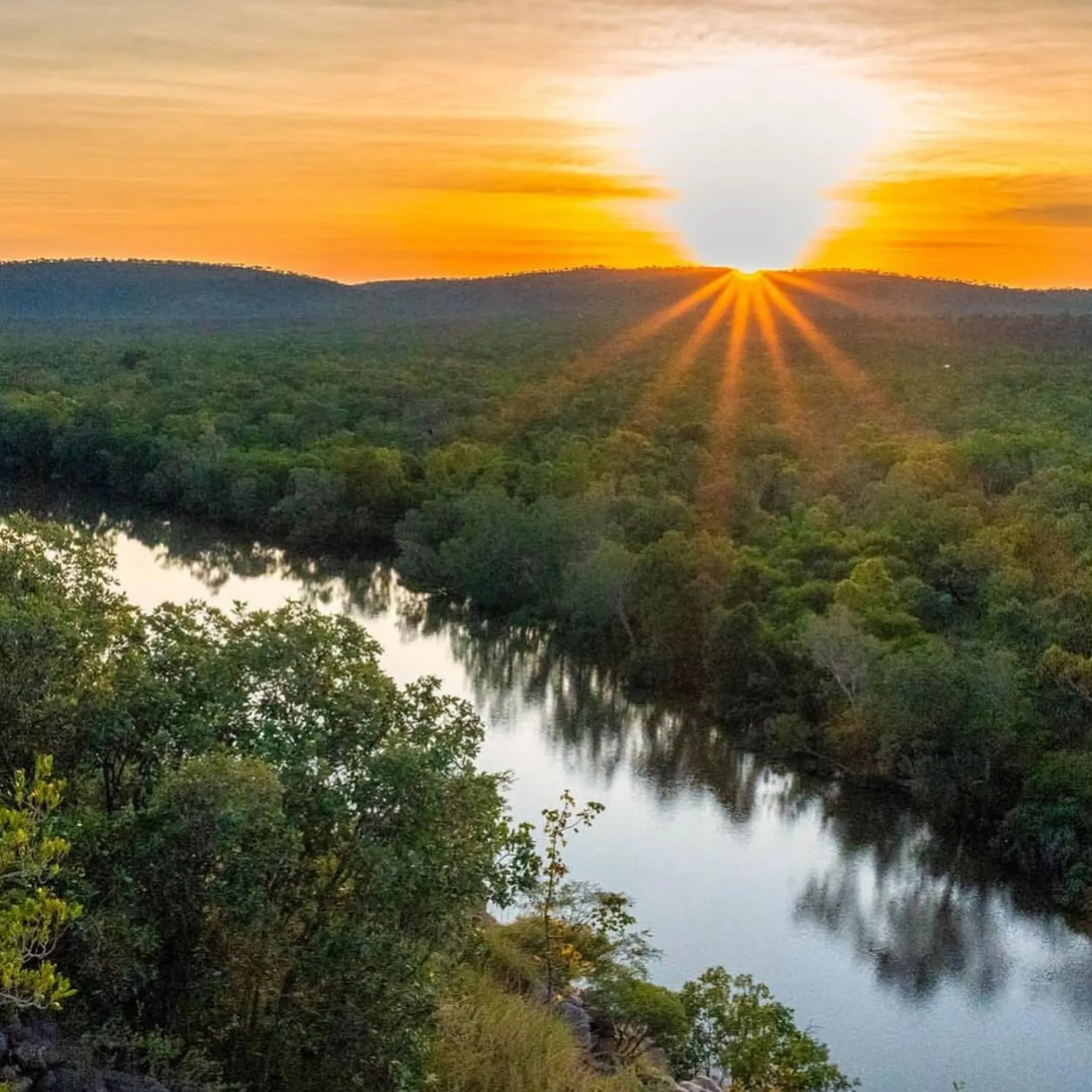
Your itinerary may look fine but it is all provisional. A notice of a road closure, flood or change to swimming access can put a different complexion on things without any fuss. What was open in a forum post last week is of no use in the wet season.
Make sure to put Parks Australia to the test on site closures and the Bureau of Meteorology for any warnings on rain or storms. Remote accommodation operators should be contacted to see if roads are fit for your vehicle or if tour times have been moved. From November through April there is always cyclone risk in the Top End to be mindful of, cyclone or not. Darwin and the rest of the Northern Territory are not immune to travel disruption from heavy rain, localised flooding or the like.
Sleep Cooler And Travel Smarter
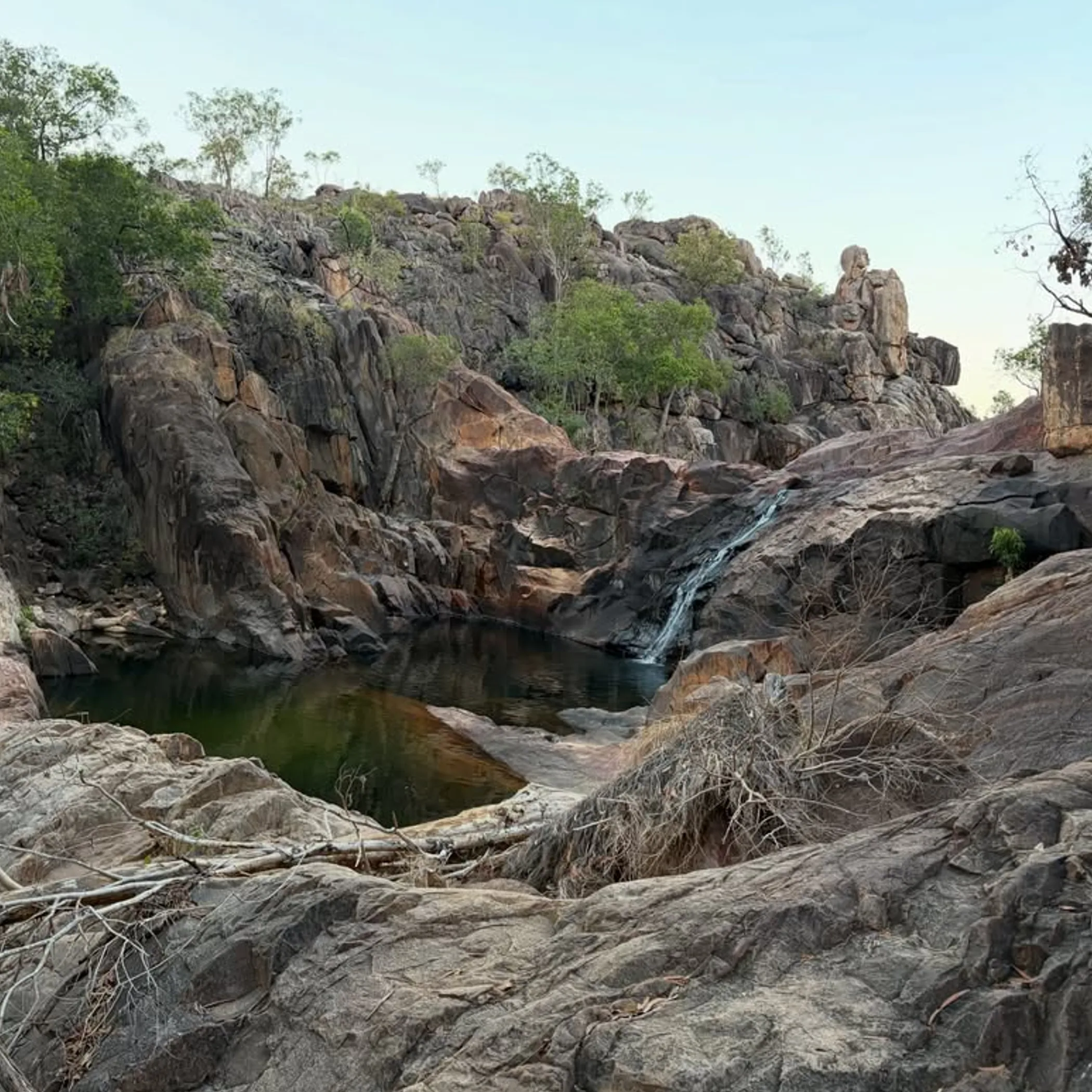
One is more particular about where one puts down in these parts than in a milder clime. A room with air conditioning you can count on is no luxury in the height of summer; for some it is what allows a decent night’s sleep rather than having to put in an appearance the following day as if running on empty.
Then there is the matter of cultural respect. Kakadu is not a view with a car park at the side of it. It is country that is very much alive and the seasonal conditions and any restrictions in place should be heeded as you would a safety regulation.
Small Moves That Help
Make your accommodation near to where you intend to go so as to avoid backtracking. In the evening have a shower, put out clothes for an early morning, top up the water bottles and make sure the car has a cooler bag. These are unremarkable things because they should be, but ordinary preparation is the only way to stop the hard heat from teaching you a lesson.
A rushed overnight does not do Kakadu justice when you could put in three or five days. One day will do, two is preferable, but for a chance to see the varied landscapes without expending yourself at the wheel you want at least three days.
Common Questions Answered
Kakadu has a way of deceptively looking simple until you are on the ground and realise weather and comfort require some forethought. Hence the questions.
What Is The Best Month To Visit Kakadu?
July tends to be the all-round safest bet for most. You get roads you can use, touring is comfortable and the humidity is not what it is during the monsoon or build-up. June and August are good as well. May has its appeal for those who do not mind a degree of uncertainty for the sake of some greenery.
What Is The Average Humidity In Darwin By Month?
In the wet and build-up months, say November through April, Darwin is at its most humid. It is lower in the dry season proper, around June to August. Even then a Darwin morning can be quite high in relative humidity, though nothing like the oppressiveness of the wetter time of year. Rely on the Bureau of Meteorology for the latest figures before you go, averages will not tell you of a heatwave or storm.
How Many Days Do You Need At Kakadu?
You could make a day of it in a very selective way, but three is a sensible minimum for a visit that is not a driving competition. With four or five you have the leeway for a cruise or a walk, or to be flexible with the weather, and to put in some time at the cultural sites.
Litchfield Or Kakadu?
They are for different purposes. Litchfield is the simpler option for a compact trip from Darwin. But Kakadu is of a piece with the Top End; it is bigger, more diverse and if cultural history and wetlands are of interest, far richer. For a quick swim and drive Litchfield is easier, otherwise Kakadu is the better part of the experience.
Is The Wet Season A Bad Time To Go?
It is a more specialised affair. There is a certain drama and memorability to the big skies and the water in a wet season Kakadu, but you are at the mercy of the heat and humidity and access is not to be relied on. It is for the traveller with the flexibility to accept an indoor break or a road closure as part of the package.
Take The Heat Seriously
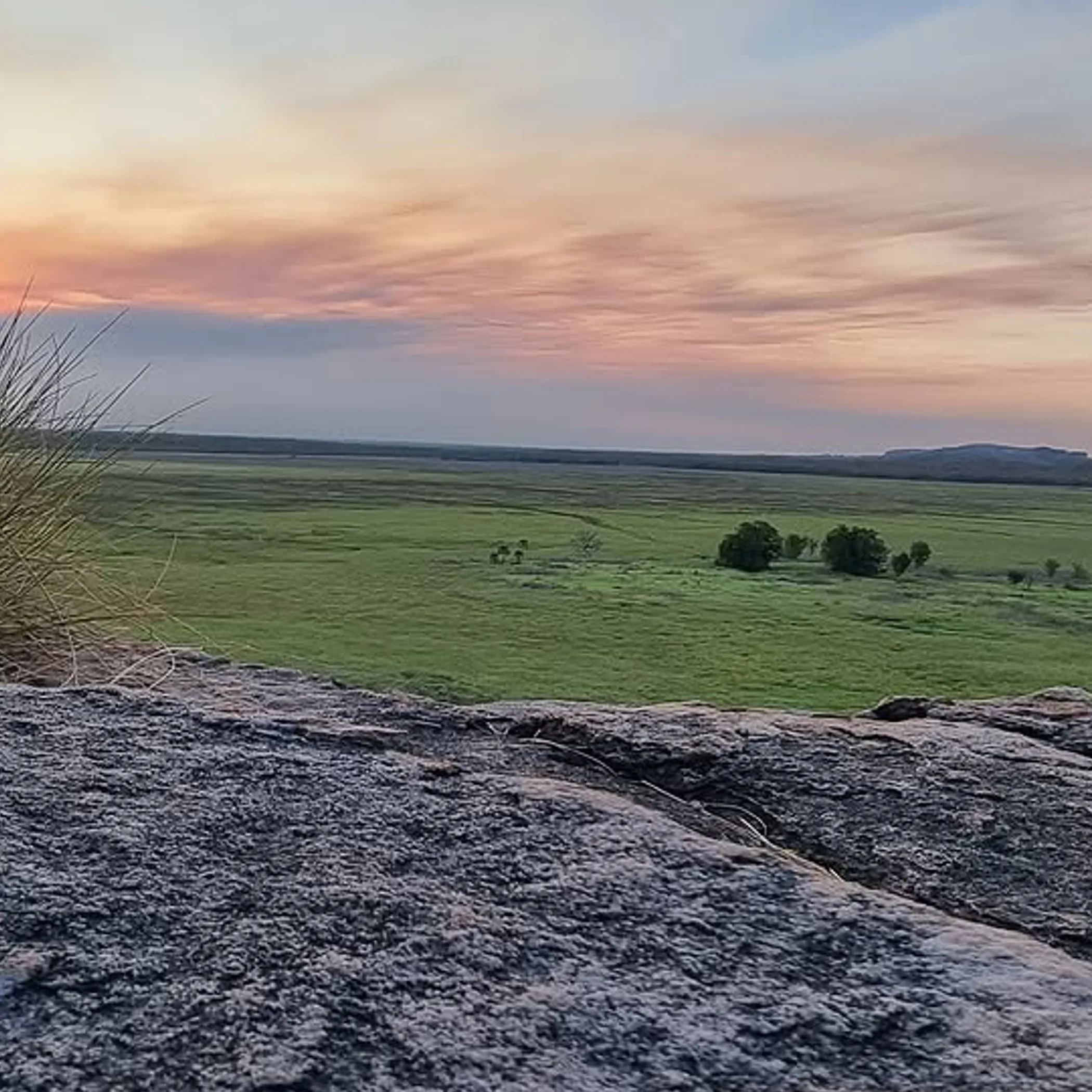
The park is more of a pleasure and safer, and not so sweaty in the worst sense of the word, when you plan with the climate in mind. Kakadu is a place that will reward you for it.
Let this be the thing you remember: carry more water than you think you need, be up and about early, check the weather and access advice for Kakadu right up to the point of leaving and pick your season with care. Raymond Vale would tell you that in the Top End it is not being fussy to prepare well, it is simply a courtesy to the place.