The safety tips for beaches in Queensland could be narrowed down into three simple habits, namely swimming in the red and yellow flags, checking beach safety signs, and being careful in case of unexpected water conditions. Although beaches in Queensland seem calm and hospitable, they also cover rip currents, sudden drop-offs, marine stingers, and strong waves.
My name is Raymond Vale, and I live in Brisbane. My experience has taught me that if people prepare for their visit to Australian beaches, they can avoid problems with swimming. Everyone should be safe while swimming at beaches.
Useful Tips for Beach Safety
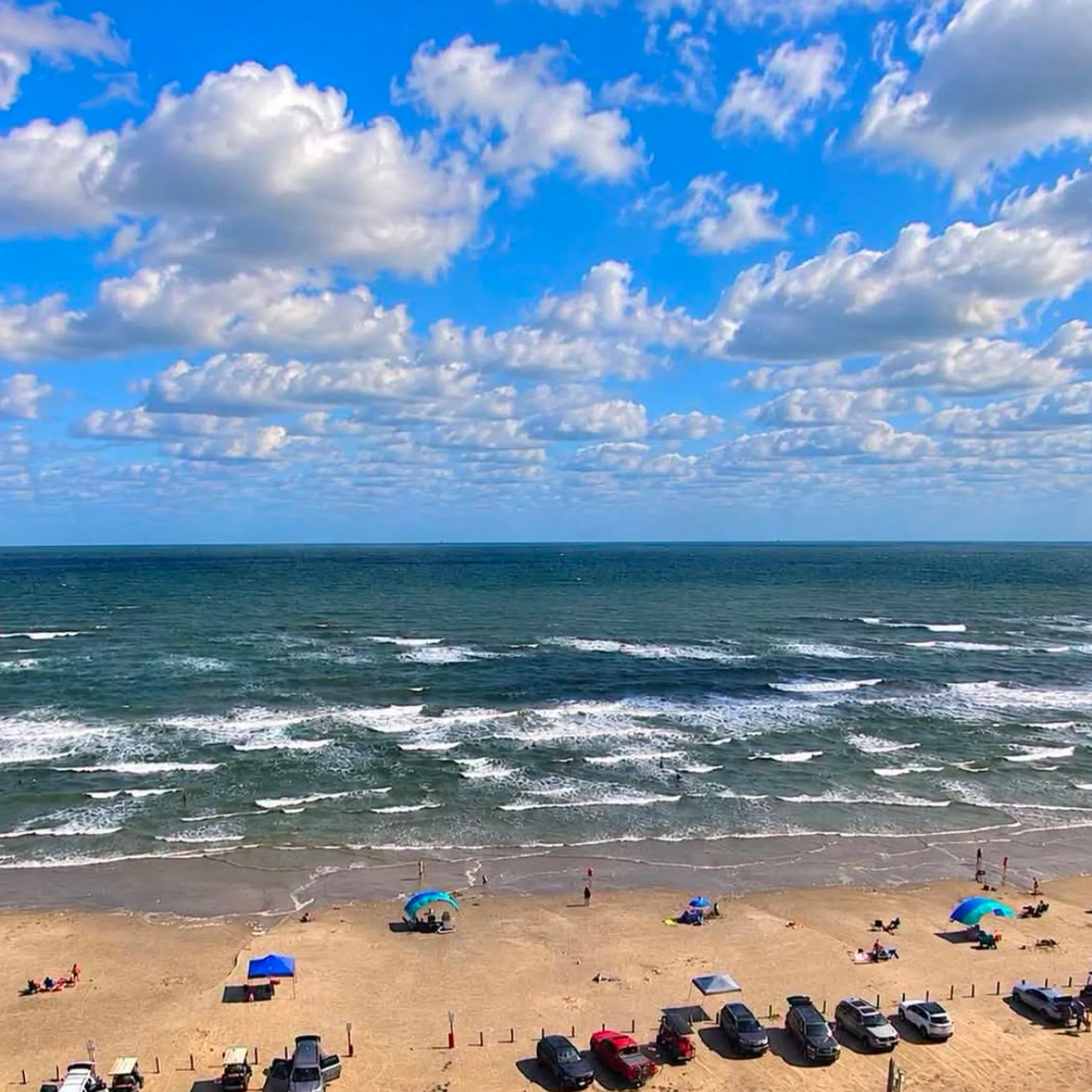
Before swimming at beaches, one should always follow a safety protocol. Thus, when choosing a beach, make sure that it is a patrolled beach, swim at jurisdictional red and yellow flags, read every sign around, and check relevant weather forecasts. For more on premier beach locations Queensland, consult a local guide.
Swimmers should use patrolled beach areas and follow the instructions from lifesavers. Read the beach safety information provided by the Queensland Government before your visit to the respective beach.
A Quick Check
Before unrolling your towel, you should scan the access point, flags, and line up of the beach from the water. If applicable, a safety sign might inform a beach visitor about some potential dangerous conditions that should be avoided.
Ask a lifeguard or a lifesaver about where is the safest swimming area and, if there is no red and yellow flags, find another place or swim as much as possible. Professional supervision is always useful, but there are still some dangerous conditions that cannot be avoided.
Know Your Limits
One of the most important safety rules in swimming is that you should always be aware of your own limits. Swimming in a pool is totally different from swimming in the ocean, which requires more energy and strength from the swimmer.
An adult should always keep children close to him while swimming in the beach. There are numerous inflatable toys that blow away and do not serve as substitutes for appropriate attention.
Understanding Flags and Signs

Swimmers need to understand flags and safety signs in order to derive the maximum benefit from them. There exist standard flags that represent safe swimming areas, restricted areas, etc.
Some of the most commonly used flags include the red and yellow flags serving the purpose of finding a supervised swimming area, and a red flag warning from swimming, etc.
Using the Flag System
Swimming in the area between the red and yellow flags ensures getting closest signs and help. However, swimming in the areas without the flags is also not recommended.
If the flag changes or disappears, you should leave the water. A black flag or another dark warning indicator signals closure, a specific risk, or local operational advice. It indicates risk based on the bathing authority and the message posted with it.
What a Black Flag Means
Do not make assumptions. Please read beach information, ask patrol or check out another patrolled location. Treat the closure as an indefinite closure until authorities decide to unclose it.
Detecting and Escaping Rip Currents
Rip currents are one of the key hazards to know because they can be the most obvious and safest entry point to the water. Recognizing a rip currents assists in avoiding problems, while knowing how to respond to them helps when you are raised by one.
Rip currents usually move from the beach line through breaks among the waves. They can variate with the tide levels, ocean swells, winds and sand movements, so a channel that was clear yesterday may not be in the same spot today.
How to Recognize a Rip Current
Before entering the water, look at it from a height above. A rip may show up as a dark line, a break in the surf, an area with less wave action and a foam stream heading away from the beach. If the water has different colors you may see more deep or fast moving current.
Don’t take one sign as definitive. A dark line may turn out to be a deep water, and an area of smooth water may entice you without ensuring its safety. Watch the water for several minutes and compare it against other water sections. When still in doubt, ask a lifeguard.
What to Do When Caught in a Rip
If you get into a current returning from the shore, don’t panic and try not to swim against the current. Simply bob up, raise your arm for help and signal to the patrol team. If you can, swim parallel to the shore until you are clear of the strongest flow, then return to the shore.
If you are a lifeguard, tell immediately when you see someone swimming and calling accordingly if they need help. Don’t attempt to swim into the rip after them unless you are trained for the rescue. Most rescues create another case to deal with which is not what everyone wants.
Marine Stingers in Queensland Waters
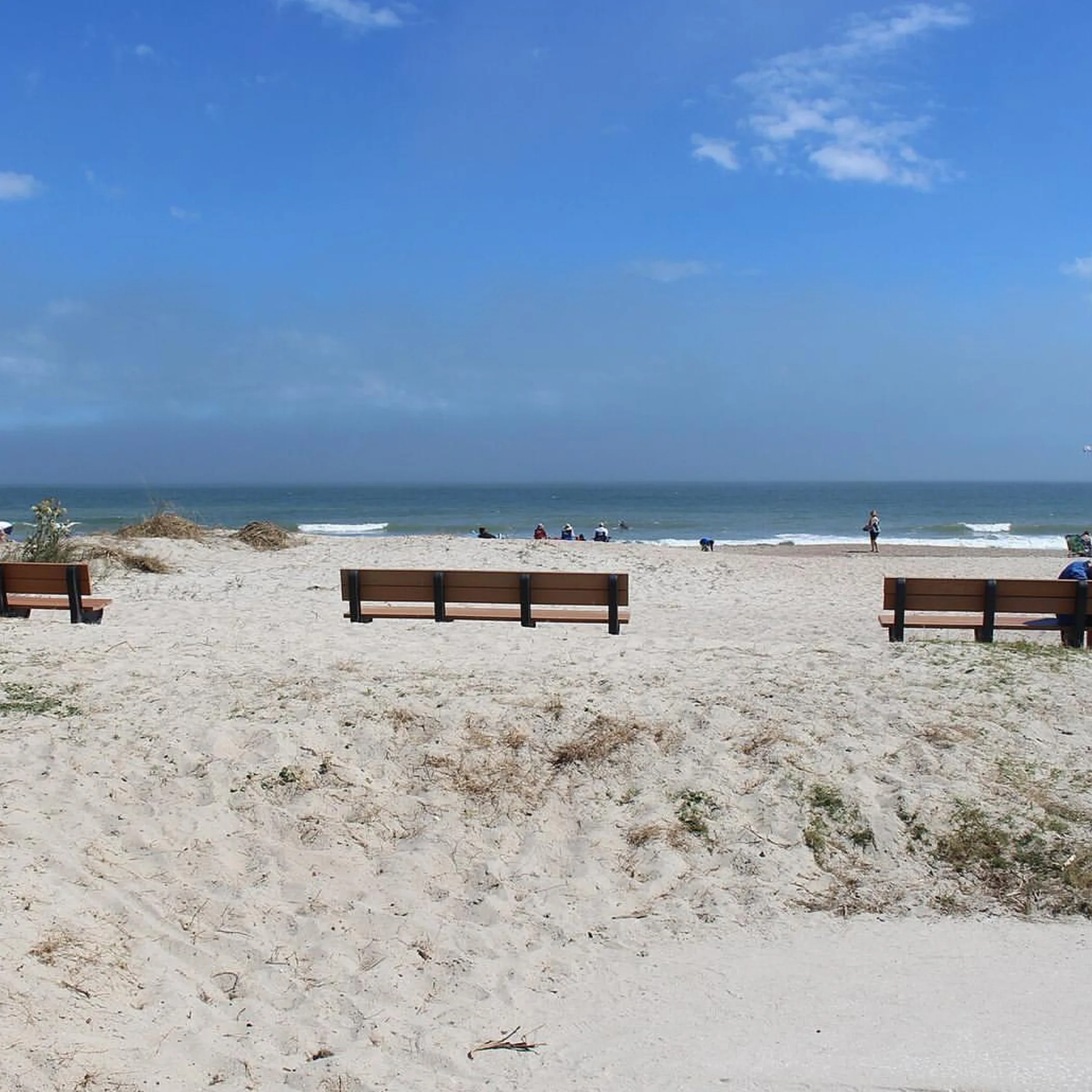
Marine stinger safety is important during the stinger season in Queensland, which often lasts from November to May particularly in warm water. The risk depends on location, weather and local factors, therefore tourists must heed the current signs rather than rely on arbitrary patterns.
North Queensland beaches, including those near Cairns, Port Douglas and Townsville may carry signals of jellyfish stingers and Irukandji stingers. The stinger risk is not limited to famous beaches or definite periods.
Stinger Zones
Stinger nets or enclosures minimize the risk in some areas but do not serve as the universal reliable means of protection. Therefore, ask whether an enclosure is safe to enter for the defined weather conditions.
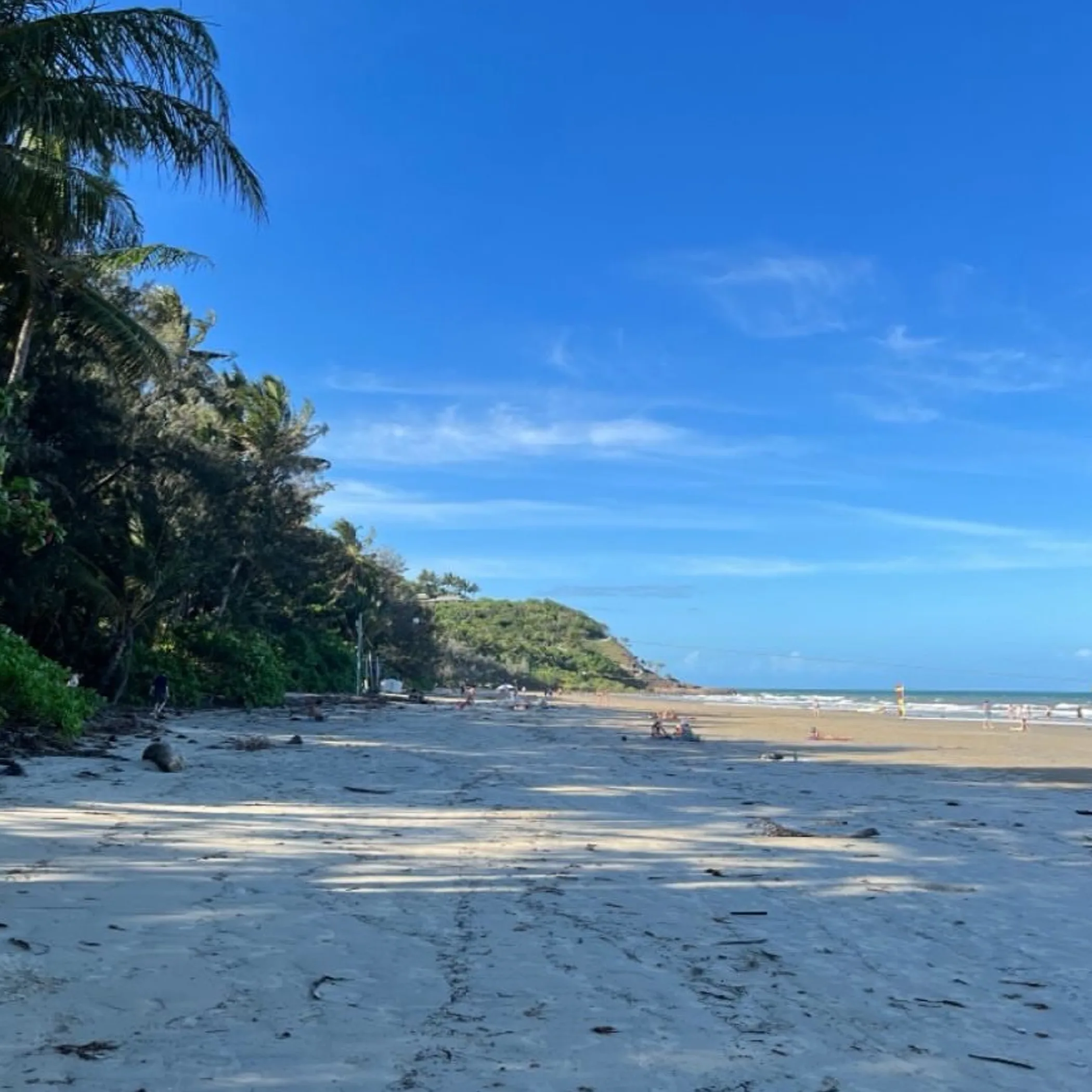
Although Four Mile Beach may seem attractive, tourists should make certain checks and talk to patrol team before swimming. The same applies to beaches that are near Cairns and Townsville: always find out local rules rather than trying to figure them out yourself.
Protective Clothing
Stinger suits are available from Queensland operators and are very helpful in minimizing exposed skin and could be requested during the time of higher stinger risk. Make sure to put on the suit properly and wear as taught by the operator.
Wearing a stinger suit is not a way to disregard warning signs, and it will not keep you safe from attacks, rips, rocks, boats, crocodiles, heat stress, or spur-of-the-moment poor swimming choices. Remember, the stinger suit provides one layer of protection – it is not a force field.
| Scenario | Better Option | Why |
|---|---|---|
| Red and yellow flags signal the beach is patrolled | Swim between the flags and follow patrol instructions | Help is closest in the area supervised |
| No flags can be seen on patrolled beach | Go to a beach with lifesavers or don’t swim | There are authorities aware of the bikini area situation |
| There is a warning sign | Wear covering clothes or don’t swim | A warning is an indication of the conditions being dangerous |
| Water is bubbling or has dark patches | Swim with caution and consult the safety officers | Rips can wildly take the swimmers away |
| Somebody has been hurt by the sting of a jellyfish | Get out of the water, call an ambulance, and follow given instructions about first aid | The jellyfish sting can turn serious very fast |
Implementing Ways To Reduce Jellyfish Sting Probability
The best way to avoid the jellyfish sting is to reduce the time spent in the water. Listen to warnings, swim in lifeguarded areas and refrain from swimming in tropical waters outside patrols.
One of the most common questions asked by guests is whether they should have vinegar at the beach. There are differences in recommendations for each jellyfish type, and therefore it is wise to listen first to the warning sign, and then to whatever is said later by the emergency services. It is also crucial not to rub the hurt spot, and not to rely on makeshift acting tips you’ve read in some heroic-looking articles.
General Rules
When advised, make sure to wear the jellyfish suit properly, avoid coming into contact with marine life, and keep kids close to yourself and away in shallow water. Make sure to check whether you did not touch anything before coming out of the water.
If the signs say to do not swim at the beach, there are no good reasons to doubt them. The fact that no fish has stung you does not mean that the creatures decided to take time off when you were having your lunch.
How to Respond to a Serious Sting
It is important to get help for anybody suspected to have gotten hurt by the jellyfish, if he/she is suffering from great pain, is in a bad state of health, is having breathing difficulties, and so on.
Keep the Stung One Safe
In the situation when you know for sure that someone received a jellyfish sting, don’t let them move around and call for urgent help straight away. Instruct them to swim between the flags, and if they require assistance, they should raise an arm. Use an eye-catching towel or an umbrella as a reference point to stay orientated, but keep in mind that the changing crowd and wind conditions can easily displace it.
Apply sunscreen before you leave your accommodation and reapply it after swimming. Carry drinking water, a shade, spare dry clothes, and a small first aid kit. The availability of parking, toilets, and showers varies between several of the beaches, so you should check the access area first before engaging in a long family outing.
Choosing Safer Swimming Areas
There are plenty of beaches available in Queensland, but the best option is usually one with lifeguards on duty, appropriate signage, safe access, and suitable swimming conditions for your group. The “best” beach can be different from the “safest” beach; it is not always the one with the least people or with the best scenery.
The beaches in Gold Coast and Sunshine Coast are well-established and monitored by lifeguards, parking space is available, and facilities are nearby. In North and Far North Queensland, there are more hazards to take into account, in particular stinger warnings, as well as seasonal conditions and advice from locals.
Match The Beach To Your Group
If you are a beginner, or you have children or nervous swimmers, you should choose famous patrolled beaches with safe access and available amenities. Even strong swimmers should respect rips, swell, fatigue, and what not. If you are not used to swimming in tropical waters, don’t go swimming around Cairns, Port Douglas, and Townsville without first consulting the local lifesavers.
Four Mile Beach and other similar locations can still be attractive for walking, having a picnic, or just watching the sunset from the beach even if swimming is not approved. It is up to you whether you want to swim. The beach will not be offended.
Organising The Logistics
If you want to go to the beach just for a day, you should first find a patrolled beach which is located nearby, get to it early enough to find a legal parking space, and read the signs before getting into the water. If you want to spend time on the beach, better take your water and food with you rather than expecting a café or shop to be open.
Use marked pathways, and walk back the way you came if you are in an unfamiliar place. Check the tide and weather conditions before leaving. Costs of parking, public transport, food, and accommodation can vary considerably depending on the exact location. Therefore, it is advisable to check current prices instead of depending on the old posts.
The suggestion below can help you with planning your trip: allow more time for the heavy traffic during high seasons on the Gold Coast and Sunshine Coast. Also account for the weather and climate when travelling to Far North Queensland. The route which might seem to be short on a map, can feel like a much longer after you take a cooling off swim and have to walk back with a crying child who wants to buy something cool.
Common Questions Answered
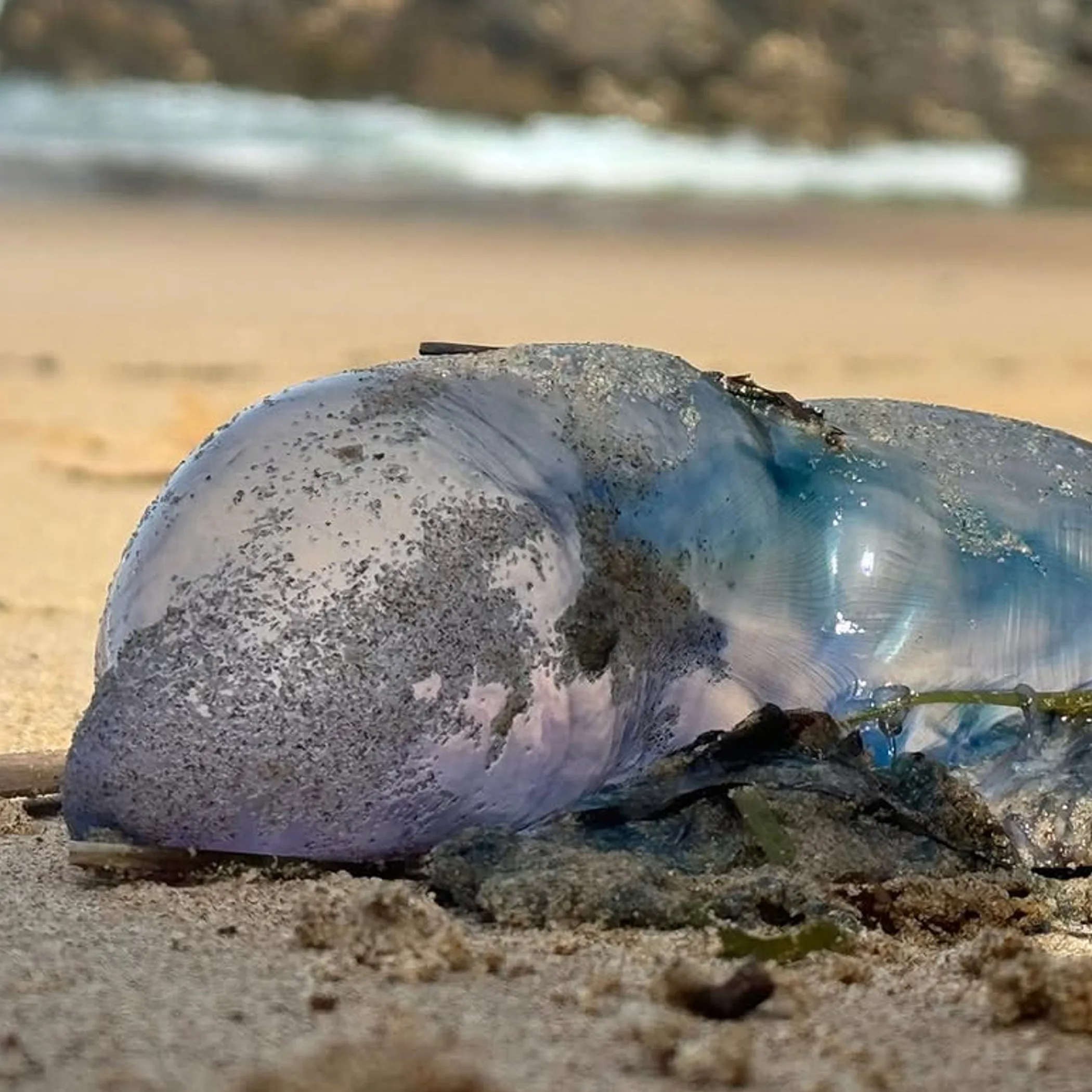
This section contains short, practical answers to inquiries that arise in relation to swimming, warning flags, and the overall conditions of beaches in Queensland. Signs and patrol instructions are more important than general guides.
When Could You Not Go Swimming In Queensland?
You shouldn’t go swimming at the closed beach, if there is a red flag, stinger warning, or dangerous surf.
What Does A Black Flag Mean At A Beach?
A black flag means a beach is either closed, or there is a local warning, however, you should always read the sign first.
What Kind Of Risks Do Other Swimmers Face At The Sea?
Some of the key risks include currents, surf, sudden changes in depth, submerged items, marine stingers, cold shock or fatigue. There are also some risks associated with drinking alcohol while swimming.
What Is The Best Beach In Queensland?
There is no definite answer. The perfect beach differs based on your group, the time of year, patrol status, water conditions, and needed access. When swimming, it is best to pick the patrolled beaches, with water conditions that’s fit for swimming, instead of worrying about a name. People looking for the best beach spots Queensland still need to check flags and warnings when they arrive there.
Are Stinger nets completely safe?
No. Stinger nets and enclosures do minimize the danger, but do not take away every sea hazard away. You must still heed local advisory, wear protective clothes when told to do so, and consult lifesavers before entering tropical waters from November to May.
Think of Safety as a Part of the Day
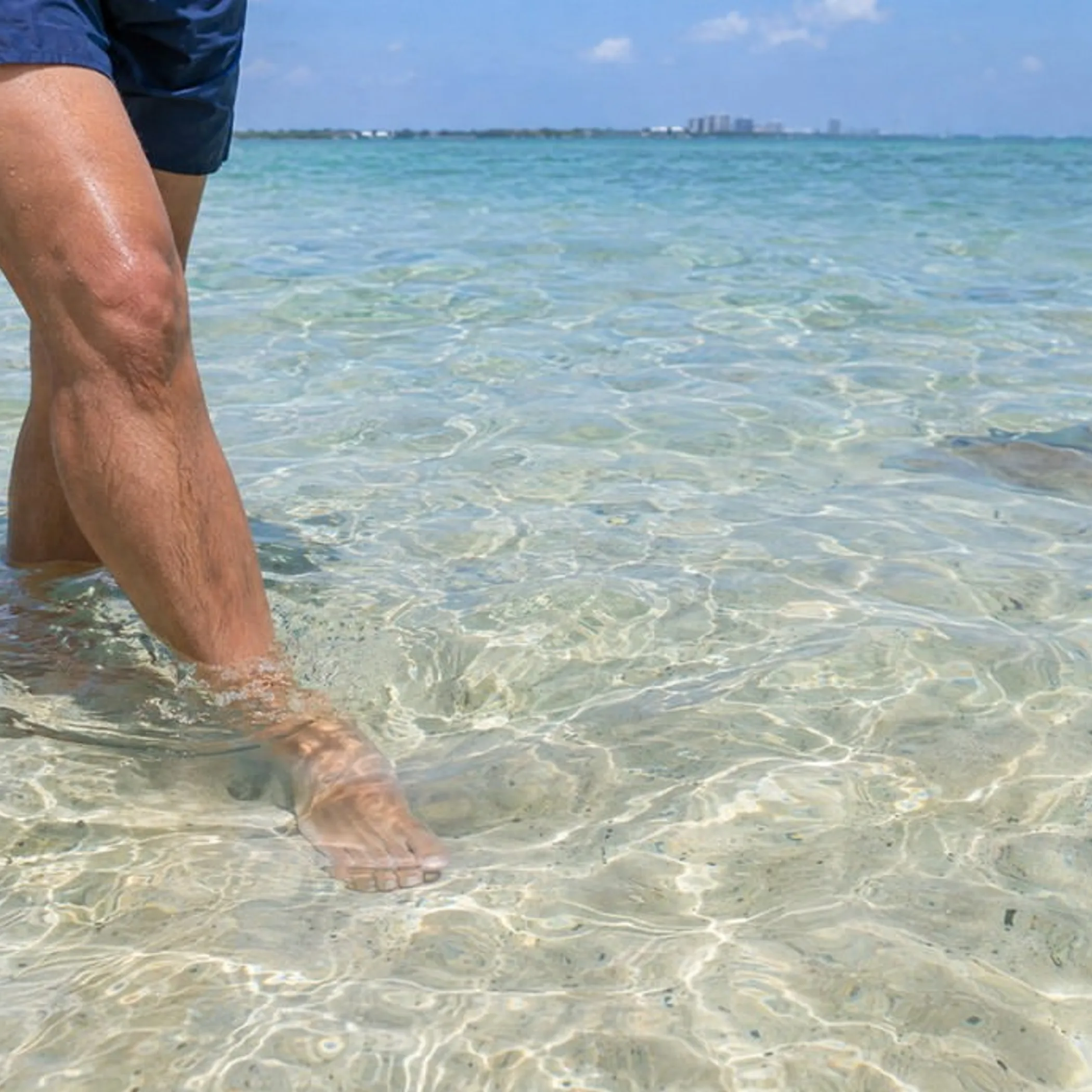
Good beach safety in Queensland is about being practical, not dramatic. Use patrolled beaches, swim between red and yellow flags, know how to spot a rip current while taking stinger warnings serious. Keep children close, do not drink alcohol and swim, or call Triple Zero when you need help.