In Victoria Australia, the Little Penguin moulting season is typically a February to April affair. Each bird will put in some two weeks or so to trade in its old feathers for something new and waterproof. You will find the penguins have left the water to let their new plumage come in; they do not go swimming during this annual event but make for their burrow and stay there.
I am Raymond Vale and I like my wildlife advice to be of the sort that reflects what is going on at ground level. Do not mistake moulting penguins for a display put on for the benefit of visitors. It is an arduous piece of biology, done in no small measure in the heat of the day, and one can easily impose a heat stress or drive them from cover with the wrong kind of attention. Plan accordingly and you will have a better time of it and the penguin will be none the worse for wear. The mozzies are happy too.
Little Penguin Moulting Season At A Glance
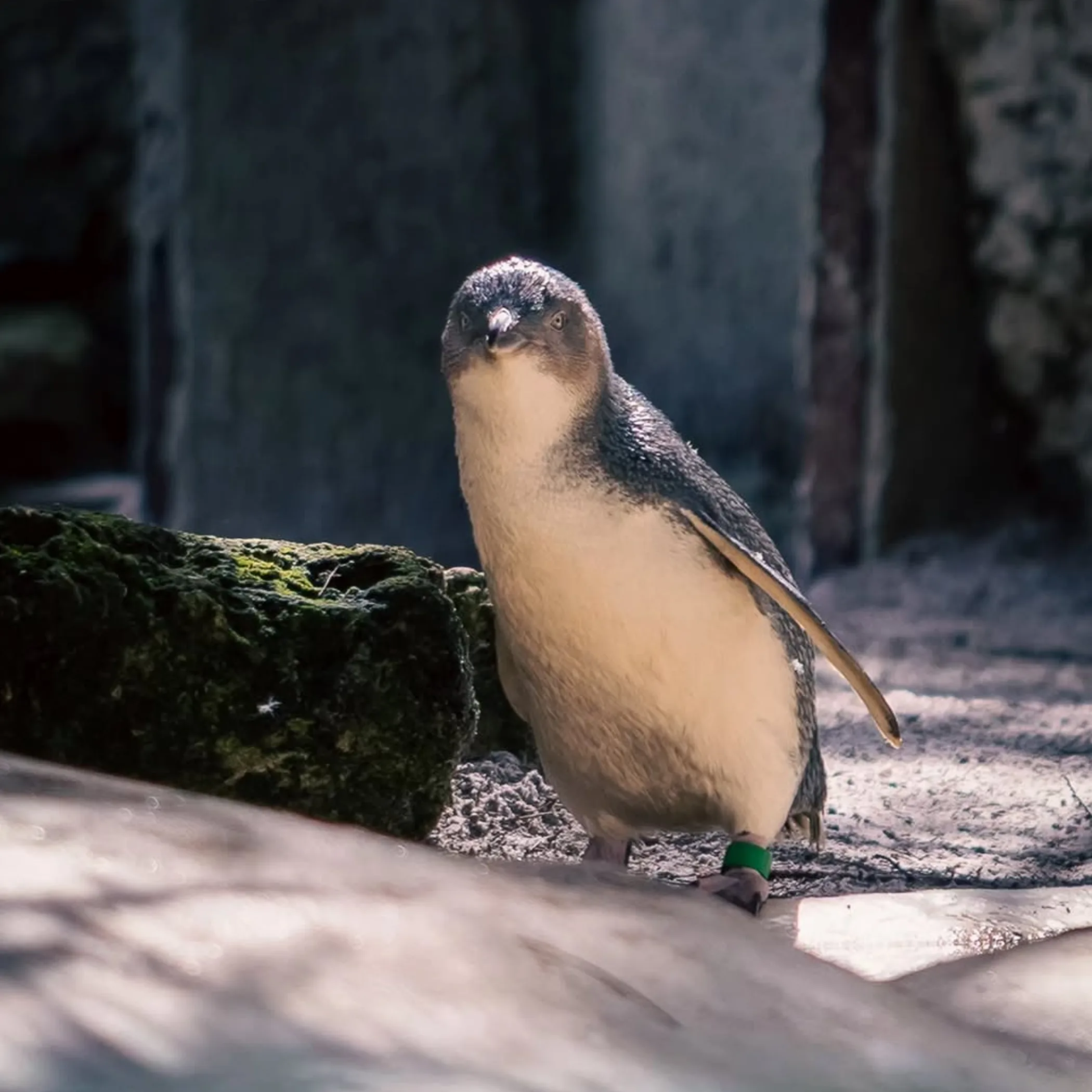
For those making plans to get to Phillip Island or St Kilda, the optimal penguin viewing months Victoria are February to April, though colonies and individual penguins in Victoria may differ.
The breeding season has passed and the penguins are after a fresh set of feathers for the year to come. Expect a quieter time of it; you will not see as many coming and going from the colony or heading into the water.
| Season feature | What to expect |
|---|---|
| Typical timing | February to April |
| Frequency | An annual occurrence |
| Approximate duration | Two weeks or thereabouts per penguin |
| Daily behaviour | Preening, resting, close to a burrow |
| Main concern | Disturbance, loss of shelter, heat stress |
Take these numbers as practical averages, not some timetable in stone. They are subject to the weather, what food is on offer, breeding activity and the state of the bird itself.
When Do Little Penguins Moult?
If you want to know when, the answer in Victoria is February to April. For the most part, once the hard work of putting up the chicks is over, the birds will get round to replacing their feathers.
Fairy penguins, or Little Penguins as they are more commonly known, cannot just swap out a feather here and there and carry on with their swimming. A new waterproof coat is grown under the old which is then shed, and until that is in order the penguin has to be out of the water.
Why February To April Matters
Feathers are more than ornamentation; they insulate and keep the skin dry. Without them a penguin would be quick to lose body heat in the sea. And it makes for a different prospect in summer than in winter. A penguin in the midst of a moult might seem scruffy or not much inclined to put in any miles on the beach, and one should not read illness into that.
How Long Does Moulting Take?
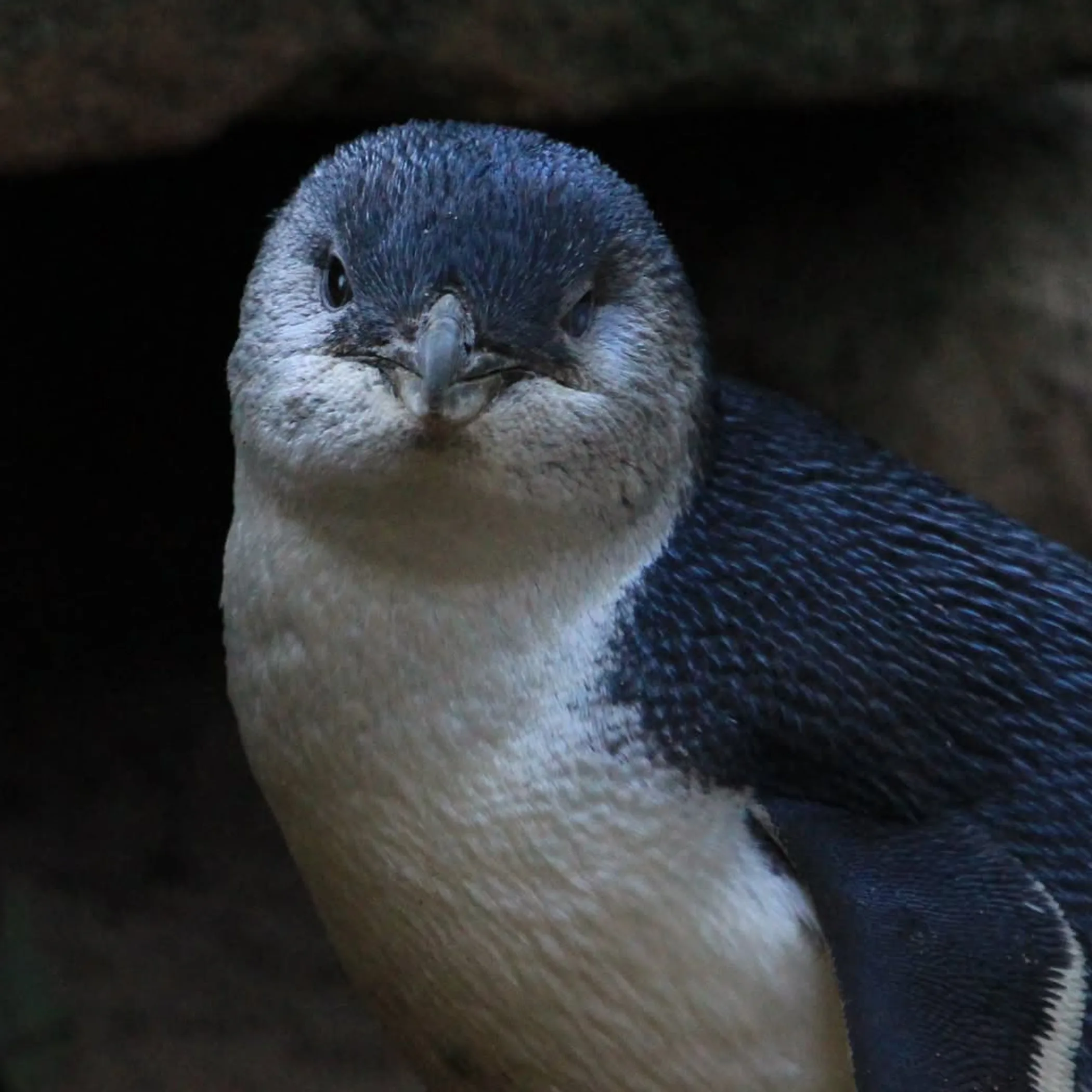
About two weeks for an individual to see it through, although the colony as a whole can be at it for longer since they are not all on the same schedule.
It is a demanding couple of weeks. With no regular swimming to cool off, the penguin has to regulate its own temperature and will be found in or by its burrow for long stretches, especially when the day is warm.
Individual Birds, Different Timing
Do not go expecting the whole of a penguin colony to be moulting in unison. There are differences in energy reserves and body condition and past breeding history, so the colony’s efforts are distributed over the season. You might have one with a rough coat in the early stages and another looking sleek because it is nearly done. Responsible viewing calls for patience, not a checklist.
What Happens During The Moult?
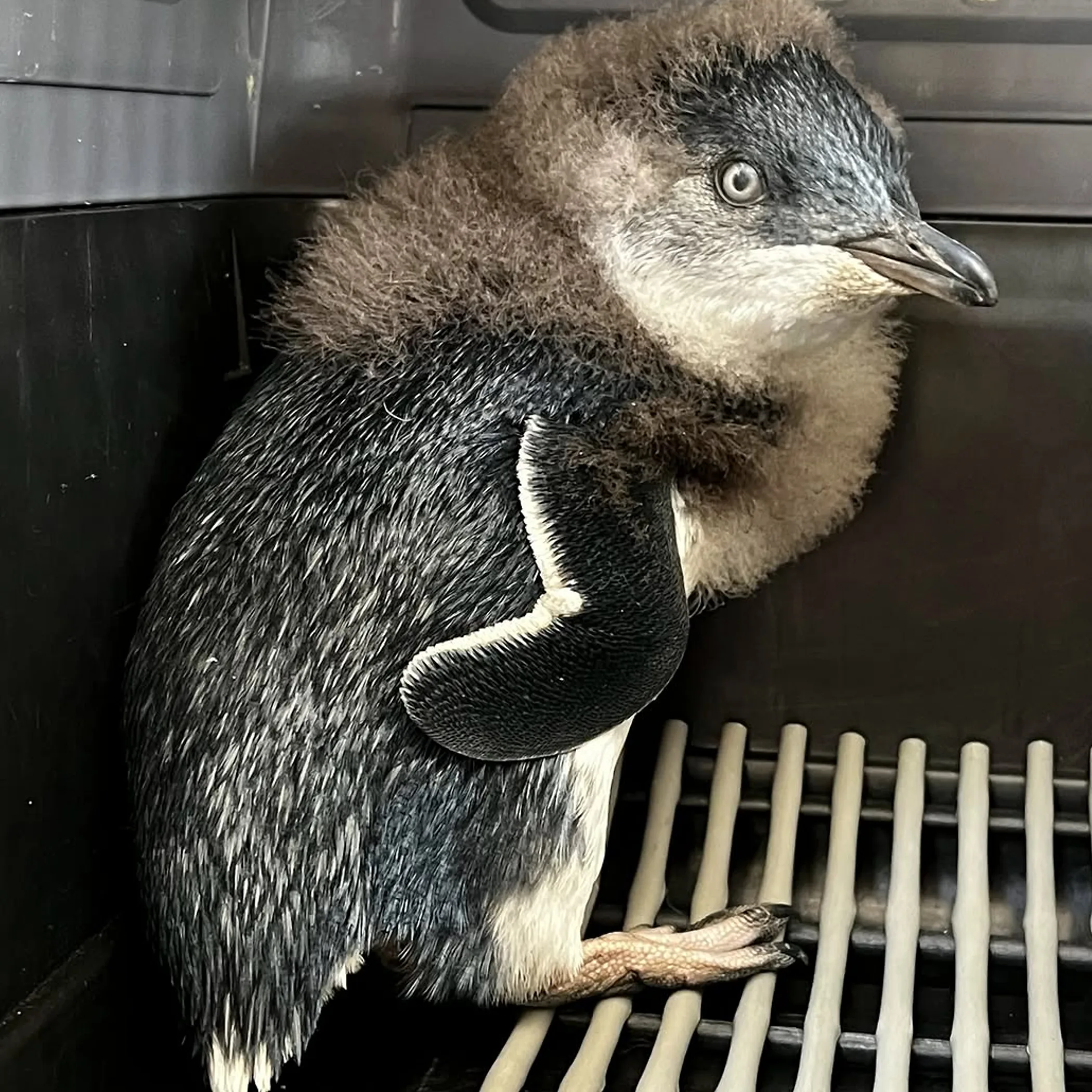
There is a lot of preening and resting to be had. Preening will clean the new feathers and apply the natural oils to the waterproof plumage when the time comes, and help dislodge the old ones.
You will notice the change in the bird. Perhaps it looks a bit larger or fluffier, with old feathers in odd patches. It is not being difficult, merely in the middle of a renewal that is called for.
Why Swimming Stops
One does not see much swimming in the course of a moult. The bird’s old coat is no longer to be trusted for waterproofing and the new feathers have yet to come in. To put itself in cold water would be to invite an energy drain and the chill.
It is for this reason that a penguin should not be made to go into the water, it can do more harm than good. An individual under the impression the bird has been left behind might well put it in danger. In such cases the right thing to do is stand back and put any real concerns before Wildlife Victoria or your local wildlife authority.
Heat Stress Is A Real Risk
Moulting is not without its discomforts in a late summer in Victoria. With no recourse to the water for cooling, a penguin will be at a disadvantage if a burrow entrance is obstructed or the viewing area is too full of people.
Do not stand over a bird or encircle it to get a picture; keep your distance. A dog or a child, a bike or a loud party will put pressure on the animal even if there is no ill will. Wildlife is unmoved by the fact that the disturbance was not on purpose.
Where To See Penguins Victoria
For little penguins one goes to Phillip Island or St Kilda, the two most prominent spots in Victoria. They are not the same experience: at Phillip Island the viewing is of a managed sort, whereas in the urban colony of St Kilda you are subject to the rigours of local access rules and public conduct.
Before making the trip, look into any closures or what is required by way of bookings. The Victorian Government website has all the species guidance and reporting information one needs.
Phillip Island Viewing
South-east of Melbourne, the island is put to via the Monash Freeway and Bass Highway for those driving from central Melbourne. Under normal circumstances it is a two hour drive but add time for the wet weather, roadworks or holiday traffic.
Phillip Island Nature Parks has the principal visitor experiences down pat. It is better to book a viewing area with a safe line of sight than to make your own way through the habitat of the colony. There is variation in parking and the like so put on a pair of closed shoes and make the walk from the car park, do not consider it a drive-through.
In moulting season the place can be quieter than a visitor might think. You are as likely to find a bird at rest by its burrow as you are to witness some evening spectacle. But it is good viewing if you are prepared for nature to ignore your plans.
St Kilda Colony Visits
Being so near to the centre of Melbourne, St Kilda is accessible by car, rideshare, tram or bus. When it is busy parking is hard to come by and the streets around have their restrictions; it is less trying to take public transport than to circle for a space.
This is an urban environment for the penguins. Heed the rangers or volunteers and stay off restricted structures. There is no climbing on rocks to find a bird with a bright light or going into nesting zones.
Do not count on a close encounter. On a warm day or in daylight they may be out of sight. Be responsible and observe from where you are meant to, and if a penguin makes to leave, let it.
How Moulting Changes Viewing
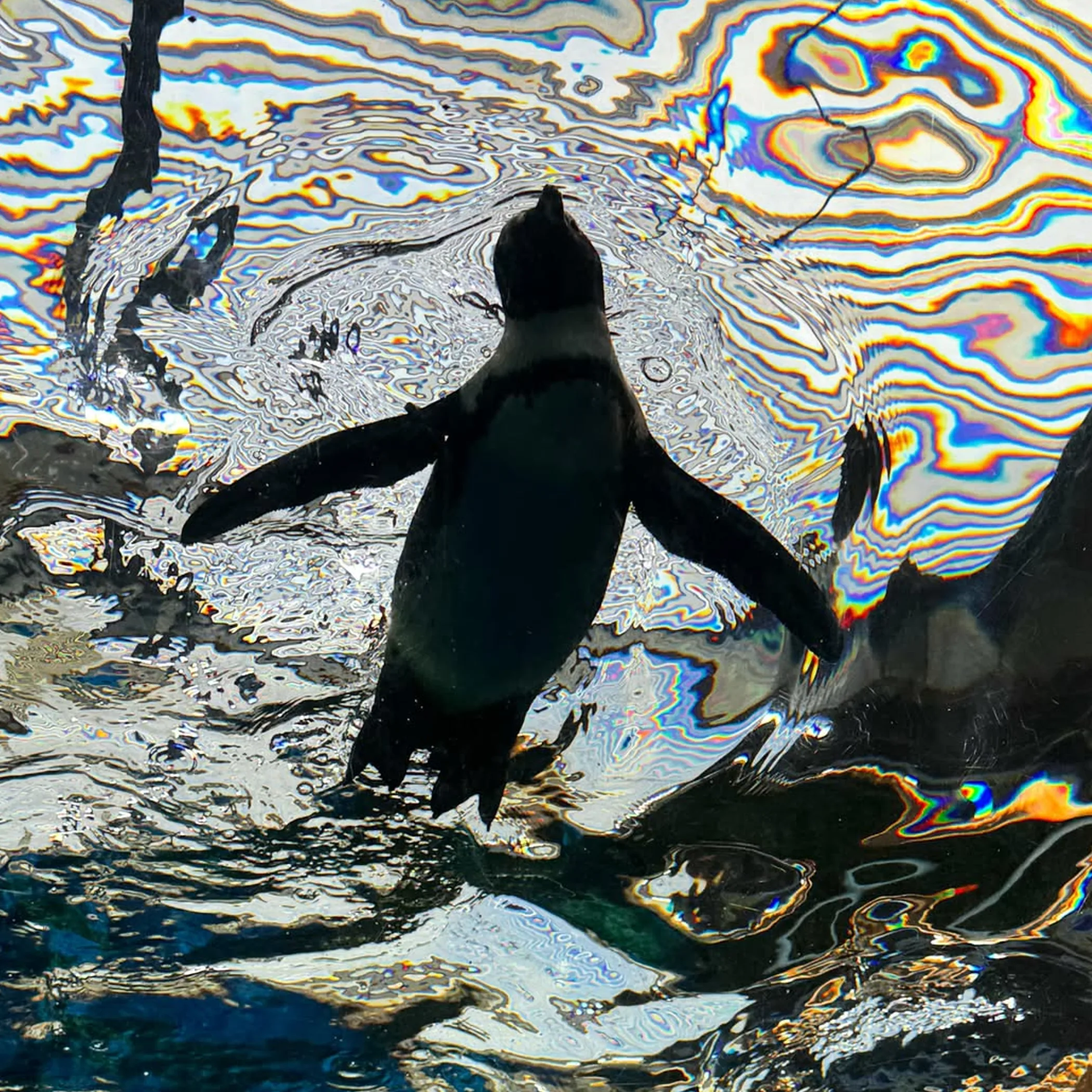
The best months in Victoria are dictated by what you are after. While moulting allows for some natural behaviour up close, it is not the time to watch large numbers congregate at the shore or putter about in the water.
There is a difference between what is expected and what is there. A moulting penguin is not necessarily photogenic or easy to spot; more often it is in the shade or under some foliage with a rather shabby looking coat. Patience is called for.
If You Have One Day
Trying to fit in both Phillip Island and St Kilda in one day is not advisable, pick one. If you are inclined to put in most of the day travelling for a managed experience, then Phillip Island is the answer. For a shorter excursion when you are already in Melbourne and do not mind the unpredictability, St Kilda will do.
Make an early start from Melbourne for Phillip Island, see to food and fuel and know how you are getting back before dark. With St Kilda, take the tram if you can and be there before the rush; regard it as a quiet walk along the coast, not a show put on for your edification.
Responsible Viewing During Moulting
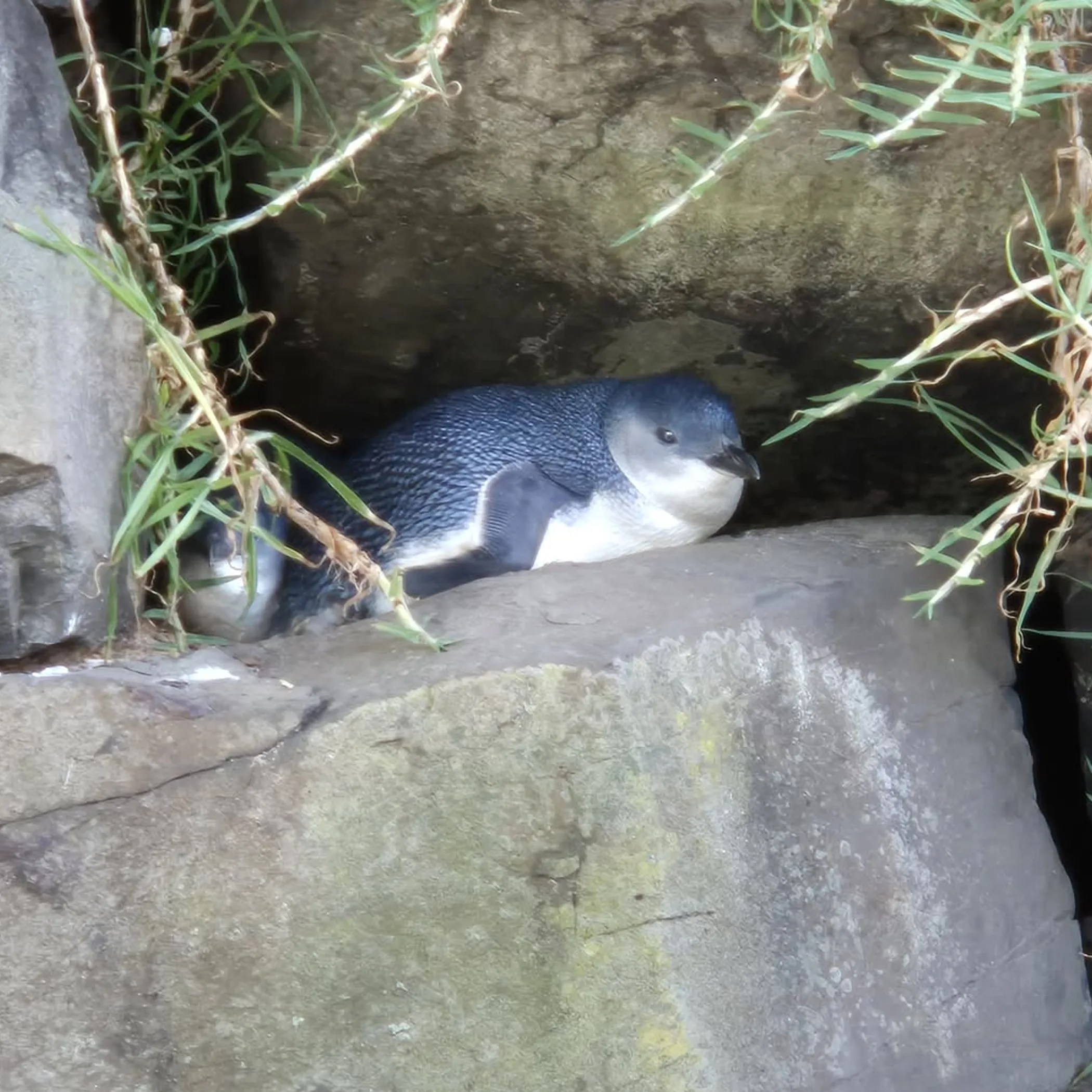
When a penguin is in the process of moulting, it is all the more imperative to be a responsible viewer. The bird is expending considerable energy and with restricted access to water can be at the mercy of heat or predators, not to mention any disturbance you might cause.
I have found on many an outing that the most surprising thing is how fast a tranquil setting can get crowded. Before you know it one visitor has moved in, then another, and there is a penguin with a semicircle of people put between it and its burrow. Allow the animal a way out and for the most part things will remain as they are.
Simple Visitor Checklist
- Maintain your distance and remain on this side of the barriers put in place.
- If lighting is authorised make it dim; flash is out of the question.
- Unless the local rules are explicit about it, do not let dogs near where the penguins are.
- Under no circumstances should a penguin be touched, fed, called to or obstructed.
- Should a bird seem distressed or make to retreat, depart quietly.
- An injured or trapped specimen is to be reported to Wildlife Victoria or the relevant service.
Then there is the matter of photography which calls for some restraint. A bright flash will not only startle but tell others where to find the bird for a better vantage point. And a long lens does not entitle one to close in without it. The animal’s passage to shelter must always take precedence over the shot.
Who Should Skip The Visit
If what is wanted is easy access for prams, close encounters or action you can count on, a trip during moulting season is not the answer. There are viewing spots with steps, uneven ground, wind and standing for long stretches.
Those with excitable dogs or very young children not amenable to quiet observation, or who would chafe at ranger instructions, would be better off with something else. Penguins are small creatures but their boundaries are not open to debate.
Costs, Weather And Logistics
It is well to look up the operator or park before making a booking as transport and accommodation costs are in flux. On Phillip Island one will need to budget for fuel and possibly entry fees for the managed experience and put in a longer day. Public transport to St Kilda is cheaper but city travel, parking and so on will mount up.
Even in late summer pack a light rain jacket and warm layers. The sun can be as much a stress on the penguins as the person, and the coastal wind has an edge to it after dark. Do not hurry along roads you do not know after an evening out; check the forecast and make time for it.
You will not require any specialist equipment. A good pair of shoes, binoculars from a proper distance, a phone with charge and perhaps a torch with a red-light if allowed are of more use than an elaborate camera rig. As for a drone, leave it. The colony is not a film set for your convenience.
Frequently Asked Questions About Moulting
What Time Of Year Do Penguins Moult?
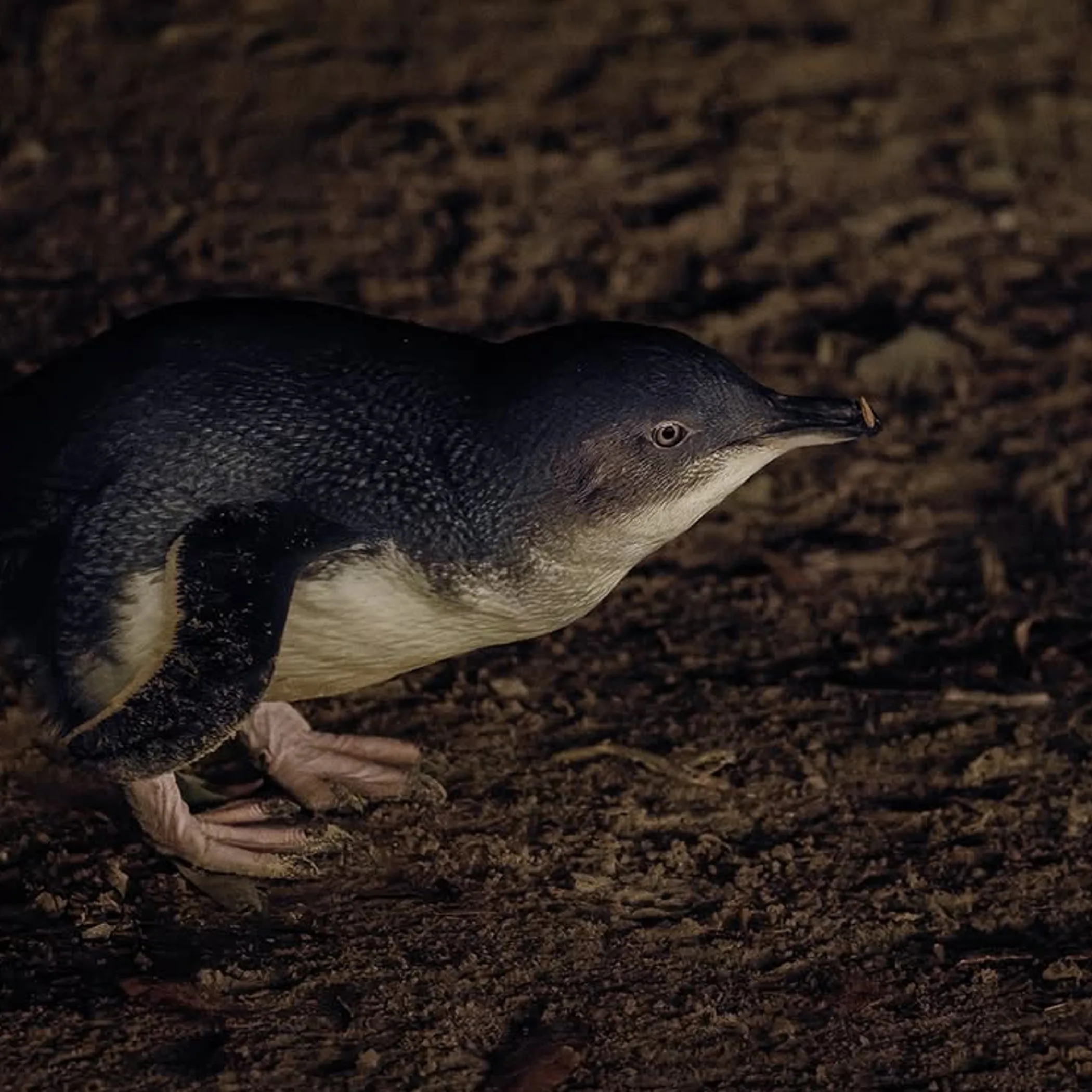
In Victoria the Little Penguin does so between February and April, though a whole colony may stretch the season as individuals do not keep to the same schedule.
Why Can’t You Take Photos Of Penguins?
In certain managed areas yes, but with caveats. Bright lights and close quarters are disruptive and can put a hidden bird in front of a crowd. Heed what the locals say and do not put a perfect picture before distance.
What Are Five Little Penguin Facts?
They are the smallest of the species and good swimmers. They come ashore to rest and breed and put in new feathers once a year in their annual moult. Burrows and the coast provide their shelter. Their size is no protection against being disturbed.
What Is A Sad Fact About Penguins?
The ordinary goings on of humans can do a penguin harm: the litter, the dogs, the lights, the damage to habitat and those in the way of shelter. When a bird is moulting or has young to see to, a minor disruption is no trivial matter.
Can I Help A Moulting Penguin?
Certainly. Put some space between you and the bird and see it gets to its burrow. If it is in danger or appears to be in trouble call in Wildlife Victoria or an authorised officer. But do not make a move to feed, pick up or relocate it yourself.
Plan A Quieter Penguin Visit
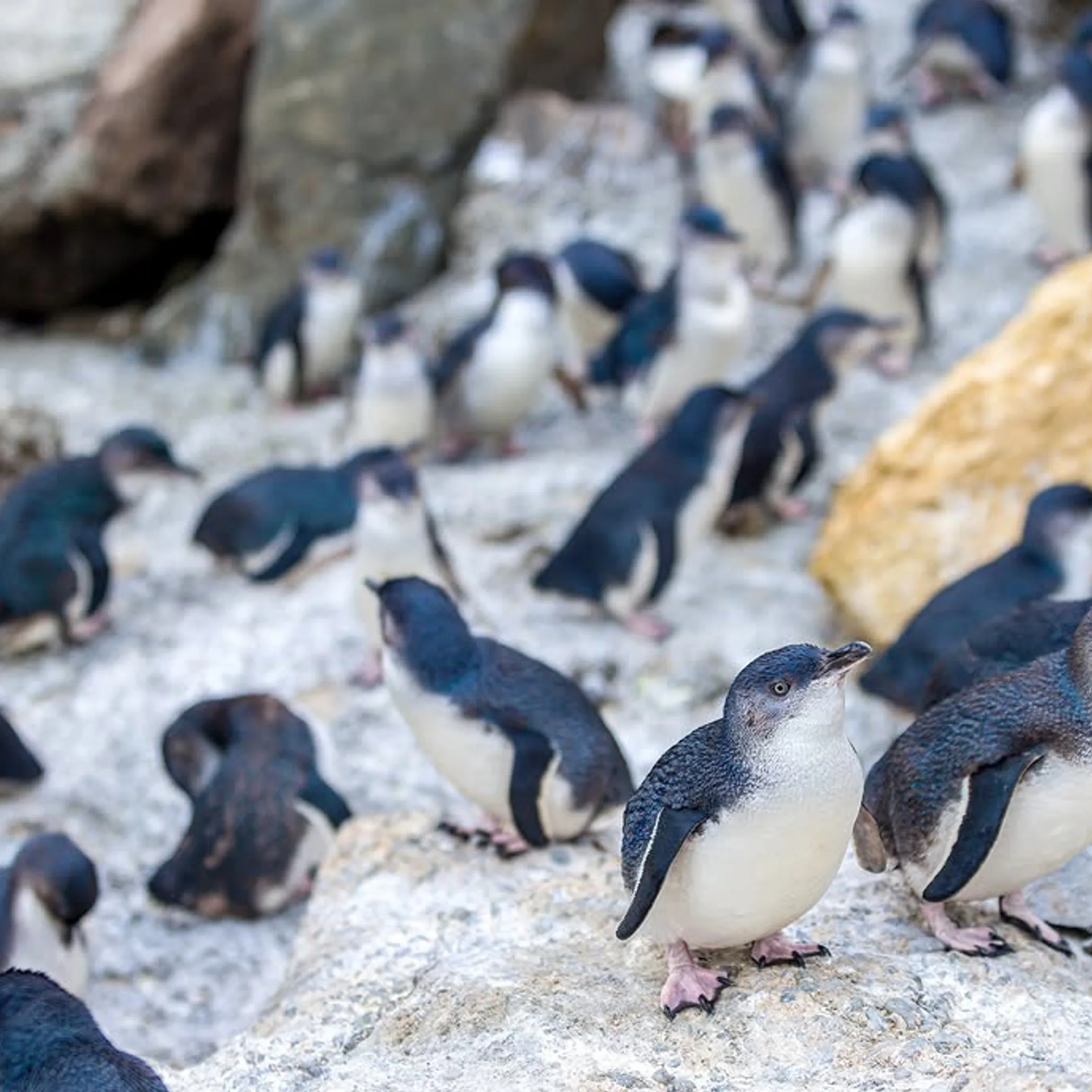
The moulting season in Victoria is an opportunity to witness a facet of the penguin’s year, not a parade of activity. Go in February or April with the right frame of mind and let the penguins dictate the pace.
Raymond Vale would say the ideal wildlife excursion is one that leaves the animal at ease once the visitors are gone. Be patient and keep back. A moulting penguin can be gloriously boring and in a sensible way. That is the mark of good wildlife tourism.