WA Reef Seasons 2026
Meta: Some seasonal pointers on the whales, water and weather to help put together a Ningaloo Reef itinerary for 2026.
There is no single answer as to when you should be at the Western Australian reefs in 2026; it is a matter of what you are after. Humpback whales, manta rays or whale sharks? Calm seas, warmer swimming or an absence of other tourists? The majority will find the period from March through October has the best combination of reef conditions and marine life. For more detail, see this best time to visit Western Australian reefs 2026 guide. Snorkellers and those wanting to sightsee in comfort would do well to consider April to June in particular.
I am Raymond Vale and I can tell you from experience that some forethought makes for a better reef holiday. Do not expect the ocean to conform to your colour-coded plans. You may have to contend with wind, a tour that has sold out or a mozzie of some determination on what was supposed to be an easy beach access. In this guide I set out how to go about travelling here, the feel of the different seasons and the case for Exmouth over Coral Bay.
Reef Seasons in Western Australia
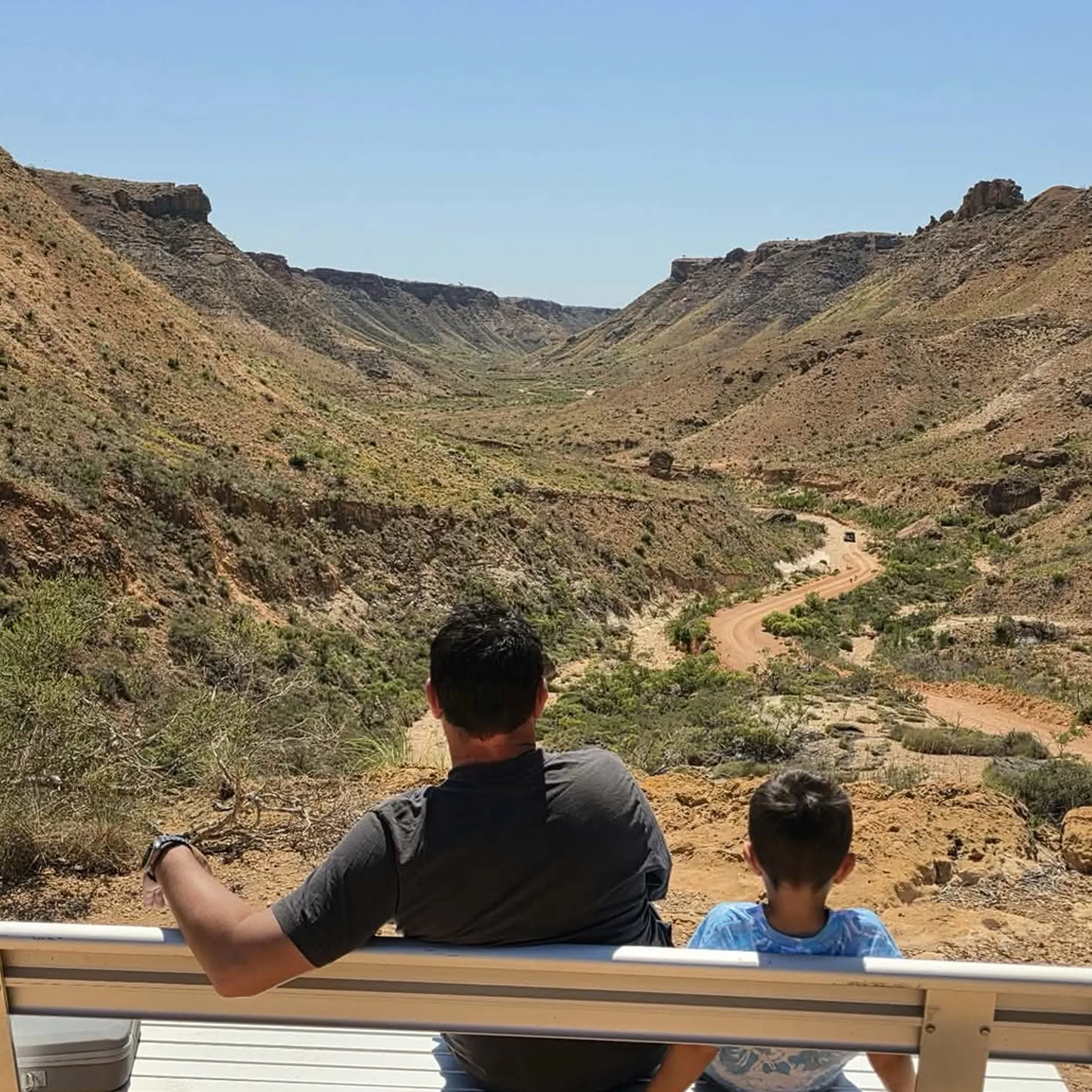
The Coral Coast is not the same thing year round. There is no month that is perfect in every way, so the ideal time to get to Ningaloo is dictated by the kind of marine encounter you favour.
A window of March to October is usually the most accommodating. You might look to March to July for whale sharks, or June to October when humpback and manta ray prospects are good. For snorkelling, April to June tends to be the choice. One can still make November to February work but the summer heat and northern weather systems mean you have to be more flexible.
| What to anticipate in your travel period | What to expect | Best suited to | Planning caution |
|---|---|---|---|
| March to July | Whale shark season in WA comes with warm weather and high demand for tours | A good time for a mixed reef trip | Book in advance and have some spare days |
| April to June | Shoulder-season flexibility makes this comfortable for a first timer or for some beach snorkelling | First-time reef visitors and beach snorkellers | Do not be surprised if the wind or visibility put in an appearance |
| June to October | Ningaloo is in humpback season and there are cooler nights | Those inclined to boat tours and wildlife | Pack something to layer up in for an early start |
| November to February | Expect the heat of the inland and less predictable conditions in the north | Travellers comfortable with summer weather and flexible plans | Check for any closures or warnings before you go |
Such patterns are for planning purposes only. Nature has its own variables when it comes to swell, visibility and the animals themselves. You may have a quiet day in the thick of the season or an outstanding one in a month that does not make the headlines.
Wildlife in March to July
Visitors in these months are mostly after the whale sharks. It is a fine time to be out with generally warm conditions, though you are at the mercy of the sea, the operator and the permits for any actual encounters.
The truth of a whale shark tour
They are wild creatures, not put on for your amusement. A decent operator will put in the time to search or alter course and on occasion come back without having delivered the experience you had in mind. It is what it is and part of the deal with wildlife travel.
Plan on an early rise and several hours on the water with a number of snorkelling stints. It is more physical than some allow for. You have to be at ease in open water and heed the crew. I remember my first extended day on the reef; it was not the water that took me aback but the way the glare, salt and wind made of a morning a full-body affair. I would have been better off with a rash vest, polarised glasses and a dry set of clothes than the superfluous camera battery I put in my bag.
Cost is another factor on the Coral Coast. As a rough allowance for 2026, figure on $150 to $350 AUD a head for a full-day marine tour, subject to the season and what is included. Use it to budget and then put down a deposit once you have verified the price with the operator.
Snorkelling from April to June

This is where you will find the best of it in Western Australia. The water is still right for most and it is not as trying as the height of summer. Staying on the beach with your fins is preferable to a boat if you are new to it; you have the option of a short session and can head in when the wind picks up rather than being tied to the sea for the day.
Easier Access to the Beach
A word of advice: look up your entry point prior to departing town. You may find that at some places a walk over sand or rough terrain is in order, and with the wind, swell and tide the safest way in is not fixed. Have on hand a small bag for any rubbish, water and shoes you can put to use on uneven ground. And put away the food scraps; the fish have their own concerns without having to be bush lunch critics.
Those new to it are well advised to take a companion and seek out calm, shallow water. Put in a call to an experienced operator or the rangers to get a sense of conditions. One does not stand on coral. Give turtles and rays a wide berth and do not make contact with marine life of any kind; if visibility is poor, get out of the water.
- Before you head out, see what the weather and marine warnings have to say as to wind and tide.
- Make sure you have dry clothes, a towel, sun protection and something to drink.
- It is good practice to employ a buddy system and let someone know of your plans.
- Any doubt about the rules governing wildlife, or the entries and currents, and you should opt for a guided trip.
The reef in Western Australia will see its temperature ebb and flow with the year and the location. In the cooler months a shorty wetsuit is not amiss for some, others will be fine in a rash vest or swimwear when it is warmer. Do not put stock in a generic weather app, ask the operator what they provide by way of equipment.
Encounters from June to October

Travellers looking for a more varied marine experience will find this period to their liking. The humpback whale season on Ningaloo Reef opens up some whale watching, as the manta ray season tends to yield regular encounters with mantas in the course of a winter or spring visit.
There is a greater contrast between land and water temperatures these months and mornings can be cool. A light jacket or fleece is called for when you set off on the boat early, even if the afternoon is warm enough for shorts.
On Mantas, Whales and the Weather
For the manta rays alone a guided boat tour is worth considering. They are powerful and graceful; to see one go under you is a fair exchange for the diesel fumes for a time.
Then there are the humpback trips which are not like snorkelling the reef. You will be putting in long stretches travelling and eyeing the horizon for a breach or a blow. Patience is required. What makes for a good outing is not always the chance for a dramatic photo but a crew that puts some respect on the animals and tells you how it will go.
With June to October being high season, availability for tours, vehicles and accommodation is impacted. If you have firm dates, secure the must do tour and arrange the rest around it. With flexible dates, allow a spare day in case the weather has other ideas.
What to Expect in Summer
One might think November to February is the time to be in Exmouth or Coral Bay for the classic summer atmosphere and warmth, but do not assume it is ideal. Northern weather systems, storms and wind can put a damper on your comfort and road or boat travel. Cyclone and bushfire closures are to be taken seriously in the summer, particularly in remote country. Heed official warnings and do not regard a closed beach or road as optional.
Summer Expectations And Limits
You may expect the water to be perfect every day. In reality the reef is tranquil in the morning and choppy later, or the boat tour is put back while the beach beckons.
Or you will assume the hot air means warm water. Not so in Western Australia where the two are not in step. Repeated time in the water will leave you colder than you thought, so pack accordingly.
Summer is for the independent type who can adapt at the last minute. Not for those with a set schedule or a once-only wildlife objective and little tolerance for the heat.
Exmouth Versus Coral Bay
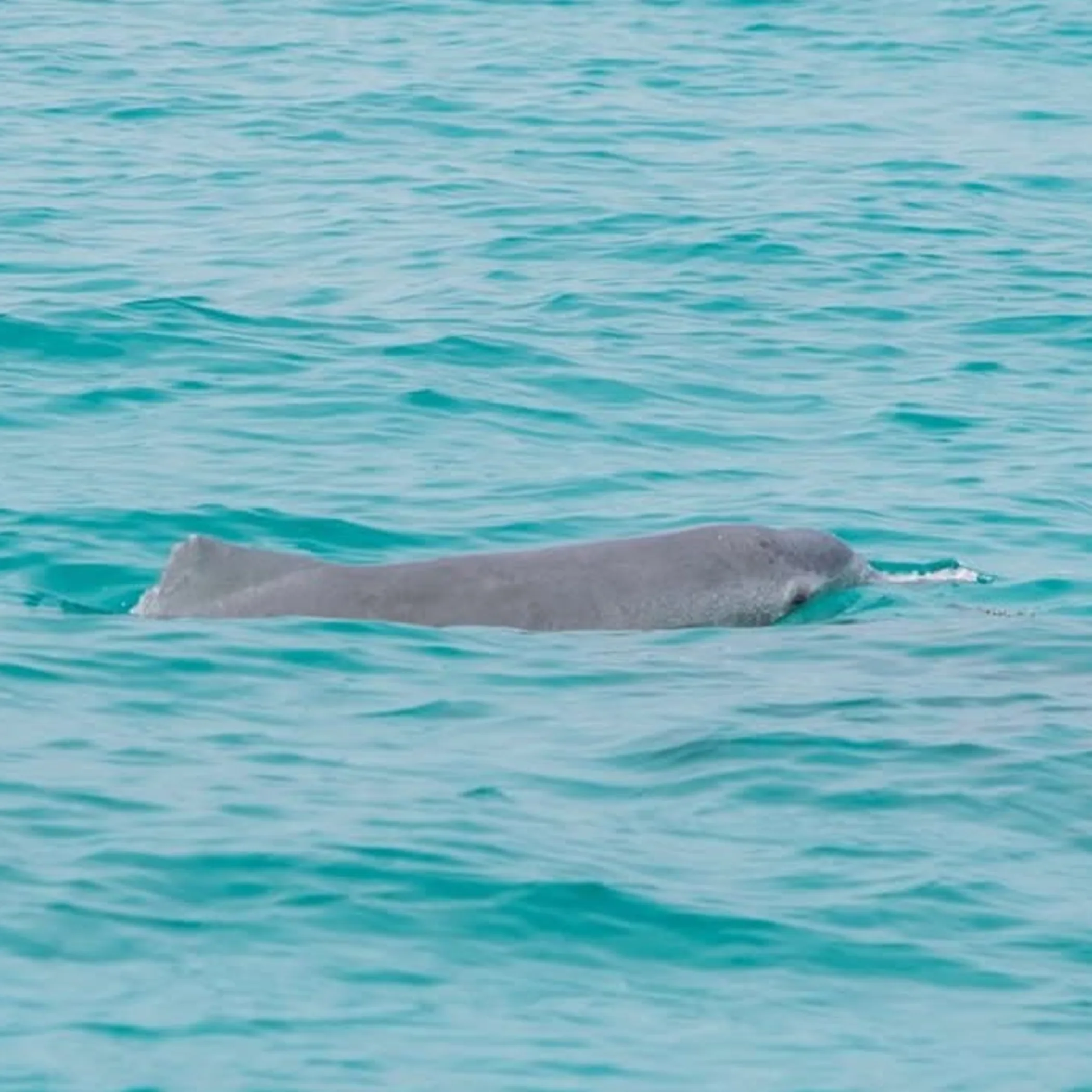
Both are ways into Ningaloo Reef but as a base they are quite different. The season may be right for the Coral Coast but your day to day will be dictated by your plans and where you put down roots.
Deciding on a Base
If the plan is to hire a car and combine some days on the reef with exploring on land, and you want options for errands and meals, Exmouth is the more sensible choice. It has the services and organised activities to accommodate that.
Those who prefer a compact way of holidaying and do not want to be without easy access to their tours will find Coral Bay well matched to the reef experience. It is true that one can put in less time behind the wheel getting from one thing to the next, though in peak season there is a great deal of competition for accommodation and tours.
Transport still has to be factored in at any base. For the flying traveller it is wise to have your plans for reaching your lodging and tours in order. Should you be driving, be realistic about the time needed for road conditions, fatigue, a meal or to put fuel in the tank. And when you come across a road train, show some patience and give it space; it is no mere ornament on the side of the road.
| Traveller type | More suitable approach | Why |
|---|---|---|
| One-day visitor | A pre-booked tour or an easily reached snorkelling spot | Transfers in excess of what is necessary will see the day go by |
| Beginner snorkeller | An entry from a sheltered beach or something with a guide | For safety’s sake and to build confidence |
| Wildlife enthusiast | Spare days in the March to October period | To make the most of what the season has to offer |
| Independent road traveller | Make Exmouth your base for planning and supplies | Easier to handle vehicle logistics and provisions |
Before you set off, consult the Western Australian Government on Ningaloo Marine Park for the official word on conservation, visitor responsibilities and marine-park access.
Weather, Visibility And Marine Life
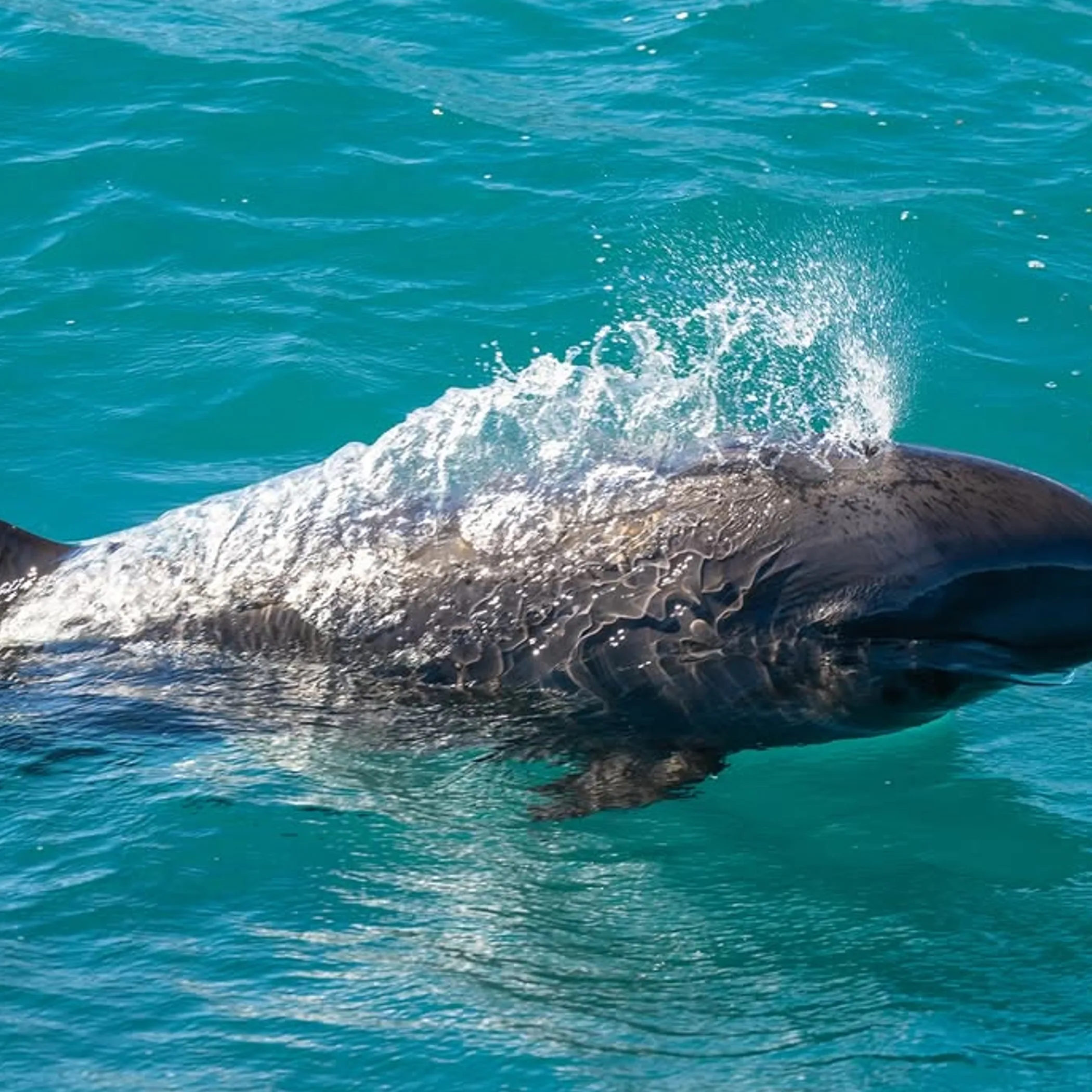
Do not let the temperature on your phone be the only guide to the weather on the Western Australia reef. The feel of a site and visibility are as much down to the tide, wind and swell, the cloud cover and what the weather has been up to lately.
What is good in a photograph can be poor on the day due to wind or sand in the water, and visibility will differ from one beach to the next. Put some stock in what the locals and a good guide have to say and be open to altering your plans if that is what makes sense.
Safety And Physical Demands
It is not all hard work but neither is reef travel effortless. You need the energy to get back to shore and to make calm decisions when you are swimming. There are ladders and rolling decks to contend with on a boat tour, not to mention going into deep water more than once.
If you are not a confident swimmer, have limited mobility or do not take kindly to being on a boat, have a word with the operator first hand over accessibility, sea state, life jackets and transfer details, and whether a support person can come along.
Heed advice on wildlife and stingers even when the water is as flat as a pancake. No chasing an animal for a picture, no solo swims and stay out of the water if you cannot see.
Planning Your 2026 Reef Trip
Consider the 2026 guide for the Western Australian reefs a point of departure rather than a guarantee of ideal conditions. A solid itinerary will accommodate the odd practical nuisance and the need for rest as well as the weather.
One-Day And Longer Stays
With only a day to make of it, do what is important. In the March to July window there is the whale shark tour, or perhaps a guided snorkel from April to June, manta and whale watching from June through to October. Resist the urge to pack a long boat tour, a few beaches and a drive back from some distance into a single heroic day.
- The evening before, see what the weather and tides are like and get confirmation from the operator.
- Have your equipment and refreshments to hand in the morning.
- Then make allowance for the return, the transfers and any briefing.
- Leave the afternoon open ended in case your energy or the road and sea have other ideas.
Where you can, put in two or three marine days for an extended trip. It is a useful buffer given that one cannot be sure of seeing wildlife and the weather has a way of putting departures on hold. Put down for accommodation, fuel, vehicle and equipment hire, as well as meals, in your tour budget. A small emergency allowance in AUD is a prudent thing to have for remote parts of the country where replacement gear and supplies run to more than one might think.
If it is peak season, get in early with bookings for boat tours and lodgings. Make sure you know the cancellation policy, where you are to be picked up, parking arrangements, phone coverage and what the operator’s procedure is should they call off for the weather before you go out. And do not trust to a screenshot from months past for park notices or the state of the roads; check them for yourself.
Frequently Asked Questions
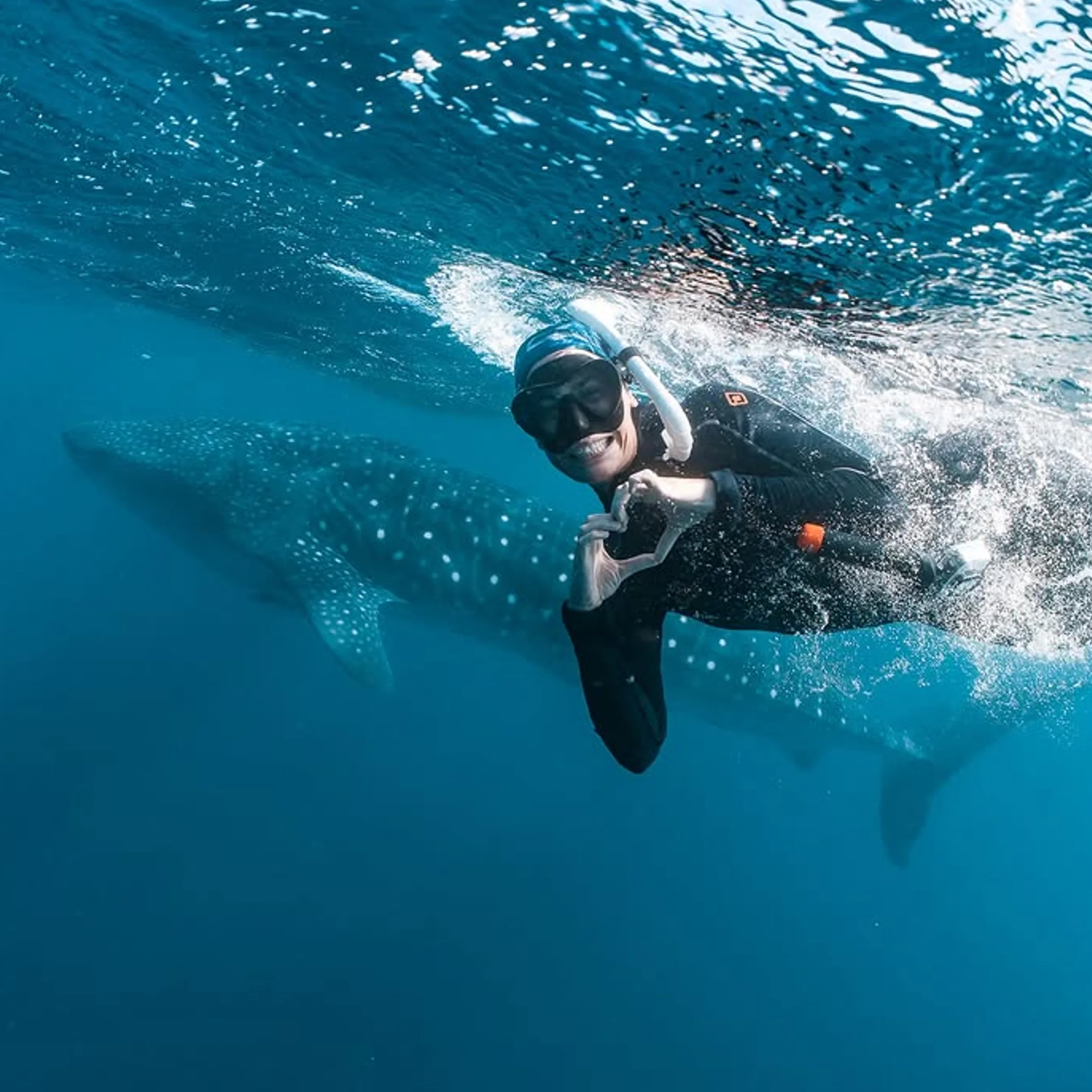
One will find these questions put forward by travellers who tend to conflate Western Australian reef planning with advice for Australia at large. The answers here are brief and pertain to the practicalities of the Coral Coast and Ningaloo Reef.
When Not To Go To The Great Barrier Reef?
Any seasonal guidance for the Great Barrier Reef is irrelevant to a visit to Ningaloo since the former is in Queensland. As for Ningaloo, stay away from dates where extreme heat, unsafe conditions in the water or closures would put a stop to your plans. Should your schedule be set, opt for flexibility and verify local conditions when departure is near.
What Month Is Best For Western Australia?
You will not find one month that is best for the whole of the state. In the case of the Coral Coast and Ningaloo, April through June is a good all-round window for most to plan around. Whale shark enthusiasts will do well from March to July, humpback whales and manta rays from June to October.
How Sharky Is Western Australia?
As any straight talking coastal place will tell you there are sharks in Western Australia, though the risk is a matter of activity, location and conditions. Heed beach signs and local warnings, have a qualified guide and do not swim on your own. Do not assume a beach you know is without risk or make a game of a wildlife encounter.
Prettiest Town In Western Australia?
A question of what one puts value on. Coral Bay makes a handy compact base for a reef holiday not far from the action; Exmouth is more of a working base for road travel, tours and supplies. Take the town that serves your need for rest and transport.
Is Ningaloo Reef For The Uninitiated?
With a guided tour and a level headed view of one’s swimming, a beginner can have a fine time of it at Ningaloo provided the entry is calm. One should not be making things up in waters that are not familiar or wading in alone because a photograph made it seem so; pay attention to wind and tide.
Making The Season Work
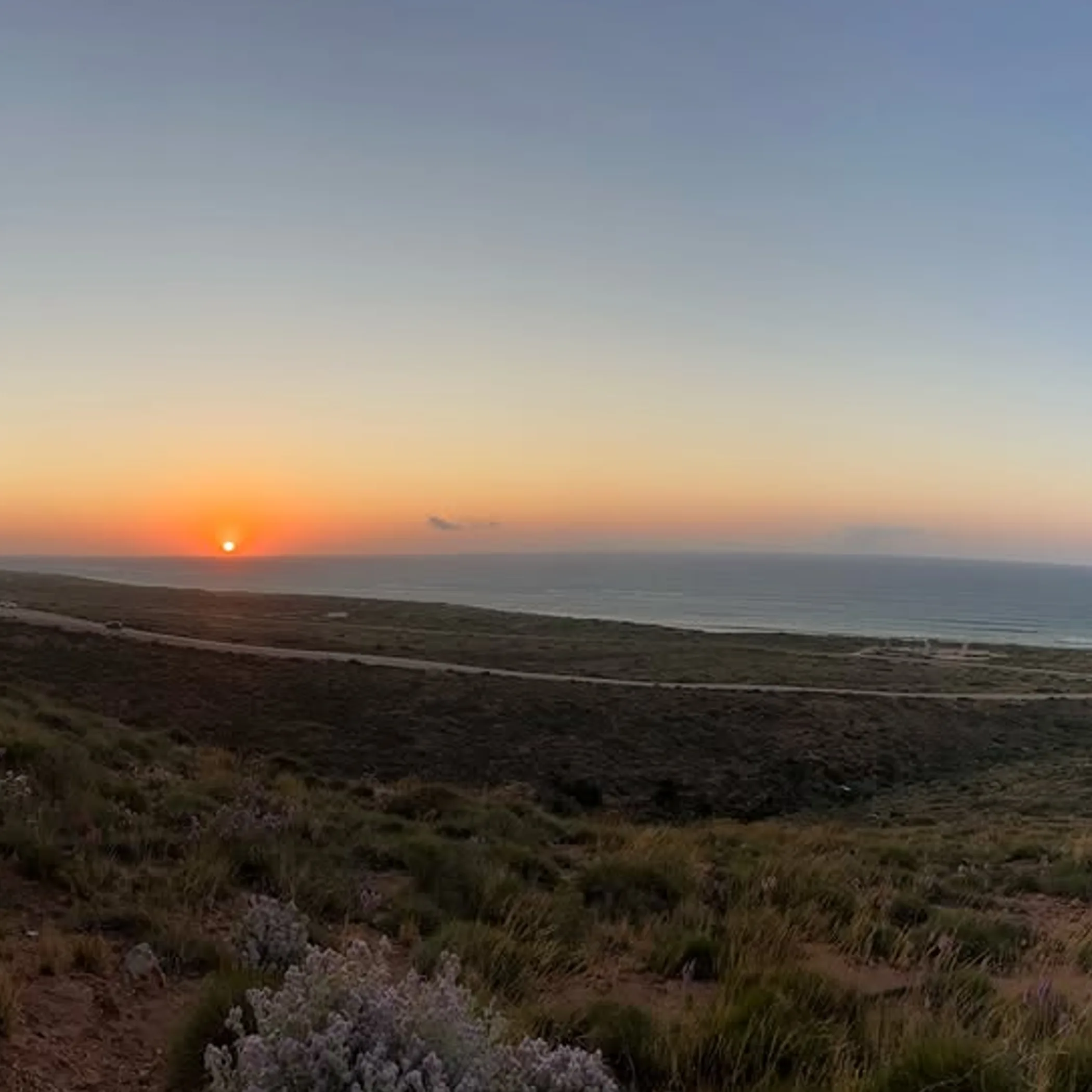
March to October is generally the time to be at the Western Australian reefs in 2026, the ideal month being a function of what you want to see. Humpback whales and cooler travelling will be had from June to October, comfortable snorkelling in April to June, and whale sharks from March to July.
It is better to let the ocean have its say. Have some spare days, be respectful of the wildlife and take official updates at face value. An cancelled tour is preferable to an unsafe one. With the right sort of patience, sensible equipment and timing, a trip to the Coral Coast and Ningaloo Reef will be memorable in the proper sense.